Llibre de la veritat

Heinrich Seuse
Llibre de la veritat
Llegeix el text original en alt alemany mitjà
Capítol 6: En quins aspectes fracassen els qui viuen segons una idea errònia de llibertat
Un diumenge radiant, mentre ell (el deixeble) jeia absort i immers en els seus pensaments, va aparèixer davant seu, en la calma de la ment, la figura d’un ésser racional, de parla sofisticada però inexpert en els actes, i que desbordava rica ostentació.
Va adreçar-se a la figura i va dir: D’on vens?
Va respondre: No he vingut mai d’enlloc.
Ell va dir: Digues-me, què ets?
Va respondre: No soc res.
Ell va dir: Què desitges?
Va respondre: No desitjo res.
I ell va dir: Això és molt estrany. Digues-me, com et dius?
Va respondre: Em diuen el salvatge sense nom.
El deixeble va dir: T’escau que et diguin “salvatge” perquè les teves paraules i respostes són completament salvatges. Ara, respon la meva pregunta. Cap a on et mena la teva saviesa?
Va respondre: Cap a la llibertat desfermada.
El deixeble va dir: Digues-me, com defineixes la llibertat desfermada?
Va respondre: Quan una persona viu del tot segons els seus impulsos, sense parar esment de res més, sense mirar endavant ni enrere.
El deixeble va dir: No ets en el camí de la veritat. Aquesta llibertat allunya la persona de tota benaurança i li roba la veritable llibertat; perquè si a algú li manca el poder de discernir, li manca ordre. I tot allò que és sense l’ordre correcte és malvat i defectuós. Com va dir Crist: “Qui comet pecat és esclau del pecat”. Però una persona que, amb una consciència pura i un mode de vida prudent, entra en Crist amb un veritable despreniment de si mateixa, assoleix la veritable llibertat, com Crist mateix va dir: “Si el Fill us allibera, llavors sereu realment lliures”.
El salvatge va dir: Com defineixes “ordenat” o “sense ordre”?
El deixeble va dir: “Ordenat” és quan res de tot allò que pugui atènyer a una qüestió, tant interiorment com exteriorment, deixa de considerar-se, incloses les conseqüències. “Desordenat” és quan alguna d’aquestes coses ha estat descurada.
El salvatge va dir: La llibertat desfermada transcendirà tot això i ho menysprearà.
El deixeble va dir: Una imprudència com aquesta s’oposaria a tota veritat, i concorda bé amb la falsa llibertat desfermada, perquè està en contra de l’ordre que el no-res etern va atorgar a totes les coses en el seu acte de donar a llum.
El salvatge va dir: La persona que ha esdevingut no-res en el seu no-res etern no sap res d'aquestes distincions.
El deixeble va dir: El no-res etern de què parlo aquí, i que comprenen tots els intel·lectes ben orientats, no és no-res perquè no existeixi, sinó per la seva insuperable abundància d’ésser, que no té absolutament cap diferència dins de si mateix i del qual, com a engendrador, sorgeixen totes les diferències ordenades en les coses. Una persona mai no s'anihila tan completament en aquest no-res de tal manera que els seus sentits no siguin conscients de la diferència del seu origen, o de tal manera que la seva raó no sigui conscient del seu lliure albir, encara que tot això s'ignori en el seu fonament primordial.
El salvatge: És que algú percep en algun altre lloc que no sigui en aquest mateix fonament i des d'aquest fonament?
El deixeble: Una persona no ho percebria correctament perquè no és només en el fonament. És també en si mateixa una cosa creada fora del fonament, i no deixa de ser allò que és. I cal entendre-ho així també. Si una persona perdés la seva distinció (de Déu) en l’ésser, tal com passa quan percep (a si mateixa i a Déu), aleshores es podria concordar amb aquesta visió. Però aquest no és el cas, com ja s'ha dit. És important mantenir sempre aquesta distinció en ment.
El salvatge va dir: He sentit que hi va haver un mestre savi que va negar totes les distincions.
El deixeble va dir: Si vols dir que va negar tota distinció en la divinitat, això es podria interpretar com una negació de cadascuna de les Persones en el fonament en què són indistintes entre si, però no pel que fa al contrast entre elles. En aquest sentit, certament han de considerar-se distintes com a Persones. Si ho entens en referència a la condició d'una persona perduda (en Déu), n’hi ha prou amb tot allò que ja s’ha dit, per mostrar que això descriu la percepció humana d'un esdeveniment, però no n’afecta el mode de ser. Adona-te’n: hi ha una diferència entre separació i distinció. Com és obvi, el cos i l'ànima no estan separats perquè un és en l'altre; cap dels dos membre pot seguir viu quan ha estat separat. Però l'ànima és distinta del cos perquè l'ànima no és el cos, ni el cos és l'ànima. En aquest sentit, comprenc que no hi ha realment res que pugui estar separat del simple ésser (de Déu), perquè això dona l’ésser a tot ésser. Pel que fa a la distinció, però, l’ésser diví no és l’ésser de la pedra, ni l’ésser de la pedra és l’ésser diví, ni cap criatura és l’ésser de cap altra. Per això els teòlegs diuen que aquesta distinció, en un sentit propi, no és en Déu sinó més aviat de Déu. En interpretar el Llibre de la Saviesa, hom diu: Res no és més interior (a les criatures) que Déu, així com res no n’és més distint (de les criatures). Per tant, l'altra explicació és incorrecta i aquesta interpretació és correcta.
El salvatge va dir: Aquest mateix mestre sovint parlava bellament sobre la persona semblant a Crist.
El deixeble va dir: En un passatge, aquest mestre diu el següent: Crist és el Fill unigènit, i nosaltres no el som. Ell és el Fill per naturalesa, perquè el seu naixement correspon a la seva naturalesa, però nosaltres no som els seus fills per naturalesa, i el nostre naixement és un renaixement, perquè té per objectiu d’ésser uniforme amb la seva naturalesa. Ell és la imatge del Pare; nosaltres som fets a imatge de la Santa Trinitat; i en això, diu, ningú n’és un igual (de Crist).
El salvatge va dir: He sentit que deia que una persona així assoleix tot allò que Crist va assolir.
El deixeble va respondre: En un passatge, aquest mateix mestre diu el següent: L'home just fa tot allò que fa la justícia. Això és veritat, diu, perquè l'home just neix de la justícia, com és escrit: “El qui neix de la carn és carn, i el qui neix de l'esperit és esperit”. Això només és cert per a Crist, diu, i no per a cap altre home, perquè ell (Crist) no posseeix cap altre ésser que l’ésser del Pare, i no té cap altre progenitor que no sigui el Pare celestial. Per tant, va fer-ho tot tal com ho fa el Pare. Però en tots els altres homes, diu, passa que co-actuem amb ell, ja sigui més o menys segons si en naixem més o menys, del Pare. Aquesta explicació et dirigeix a la veritat de debò.
El salvatge va dir: Les seves paraules proclamen que tot allò que es dona a Crist també m’és donat.
El deixeble: Aquest “tot” que es dona a Crist és la possessió perfecta de la benaurança substancial. Ell va dir: “Omnia dedit mihi pater—el Pare m’ho ha donat tot”. A nosaltres ens ha donat aquest mateix “tot”, però d’una manera diferent. I ell (Eckhart) diu en molts llocs que ell (Crist) posseeix aquest “tot” a través de l’encarnació, i que nosaltres (el posseïm) a través de la unió conforme amb Déu. Per tant, ell el posseeix amb major noblesa, en la mesura en què el va poder rebre amb major noblesa.
El salvatge objectava, encara, i deia que aquest mestre negava tota mera semblança i unió (entre Déu i criatura) i que ens situava, nus i lliures de tota (mera) semblança, en pura unitat.
El deixeble va respondre dient: El teu problema és, sens dubte, que no entens la distinció abans esmentada sobre com una persona ha de tornar-se u en Crist i, tanmateix, romandre distint, i sobre com hi està unit, encara que es percebi com a u i no només unit. La llum genuïna encara no t’ha il·luminat. La llum genuïna permet l’ordre i la distinció mentre rebutja la pluralitat turbulenta. La teva ment esmolada, àgil en el raonament, empra amb total control la llum de la naturalesa, que il·lumina d’una manera similar a la llum de la veritat divina.
El salvatge va callar i després va pregar-li, amb humil submissió, que parlés més sobre aquesta valuosa distinció.
Ell va respondre i va dir: La deficiència més destacada que et desorienta a tu i a qui és com tu és la incapacitat d’una correcta distinció en els assumptes de la veritat racional. Per tant, qui vulgui assolir la perfecció i no caure en aquestes deficiències hauria de parar gran atenció a aquesta subtil doctrina. Aleshores assolirà sense impediments una vida benaurada.
Trad. Sergi Castellà
Fonts
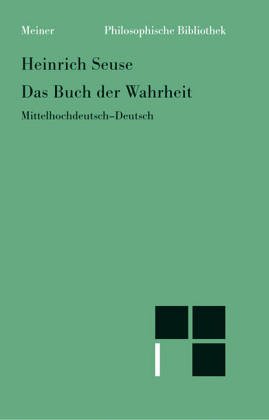
Seuse, Heinrich. Das Buch der Wahrheit = Daz büchli der warheit (Deutsch = Mittelhochdeutsch, ed. Loris Sturlese / Rüdiger Blumrich). Hamburg: Felix Meiner, 1993.
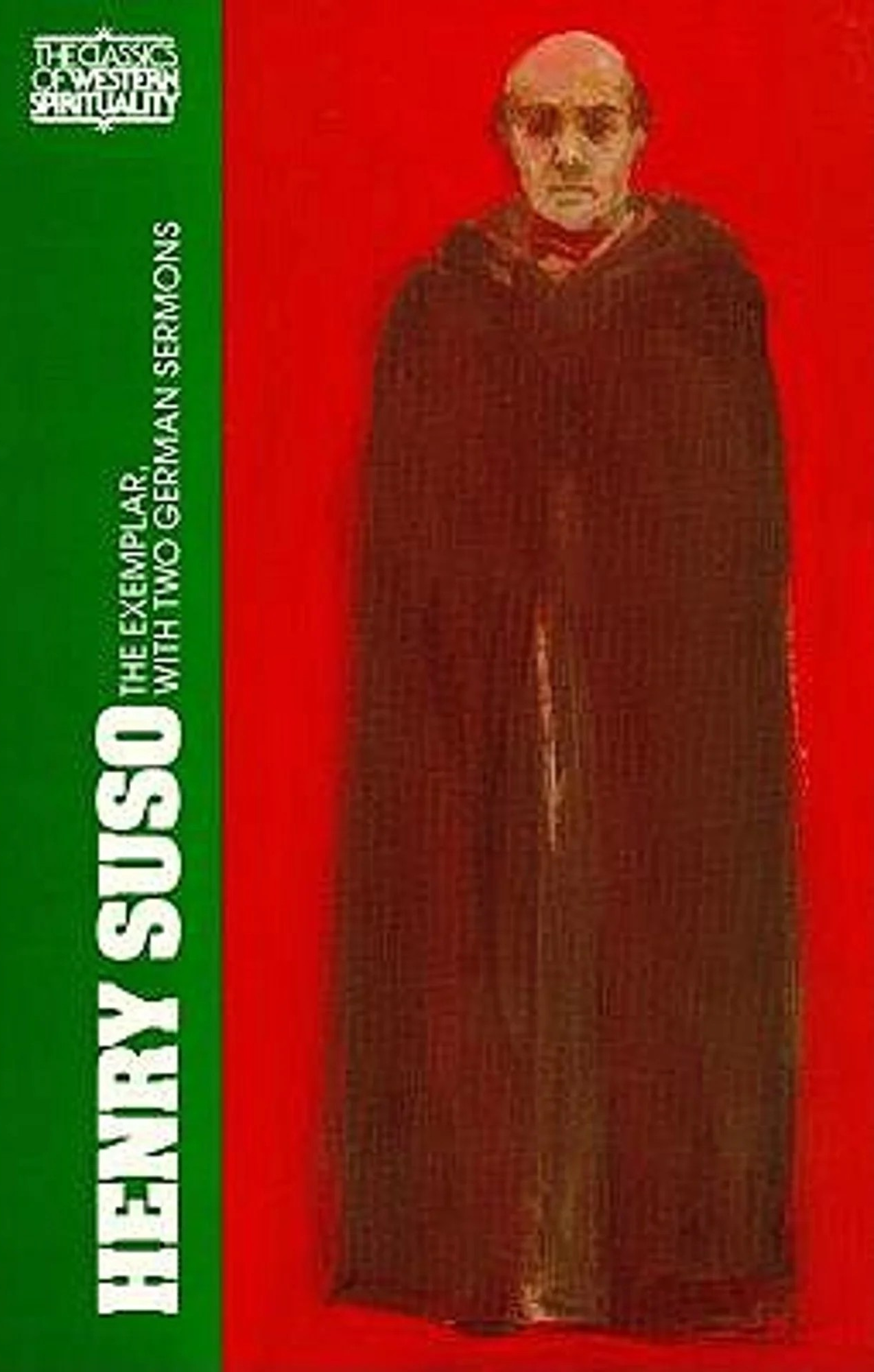
Suso, Henry. The Exemplar, with Two German Sermons (ed. tr. Frank Tobin). New York: Paulist Press, 1989.
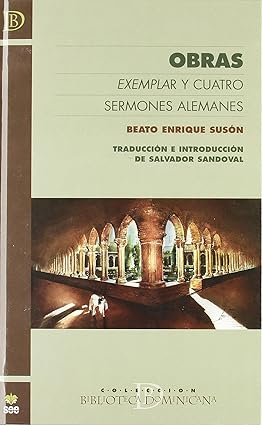
Susón, Enrique. Obras. Exemplar y cuatro sermones alemanes (ed. tr. Salvador Sandoval). Salamanca: San Esteban, 2008.
A la Biblioteca Haas