Sermón: "Así que dad lugar a la renovación espiritual de vuestra mente..."
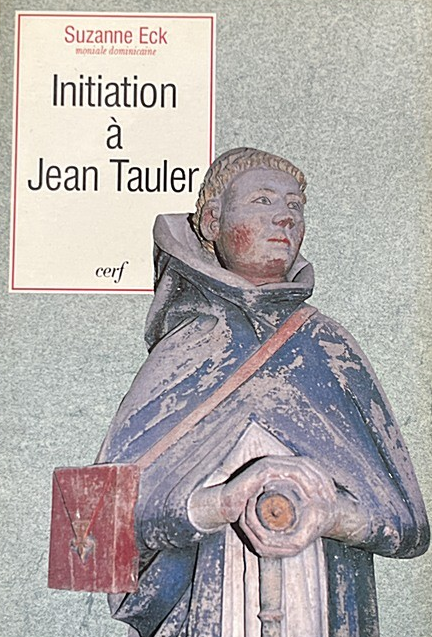
Johannes Tauler
Sermones
Sermón para el decimonoveno domingo después de Trinidad
Así que dad lugar a la renovación espiritual de vuestra mente (Ep 4, 23-24)
5. San Pablo dice entonces: «Debéis renovaros en el espíritu de vuestra voluntad más íntima». El espíritu del hombre se llama de diferentes maneras según sus diversas formas de actividad y sus diferentes aspectos. A veces el espíritu se llama alma en cuanto vivifica el cuerpo, y en este sentido está presente en cada uno de nuestros miembros, dándoles vida y movimiento. A veces se le llama espíritu, y esto es cuando tiene una afinidad tan íntima con Dios que supera toda medida; porque Dios es espíritu, y el alma es espíritu, y, por lo tanto, tiene una inclinación perpetua y una mirada fija hacia la profundidad de su origen. Y debido a esta afinidad en la espiritualidad, el espíritu se inclina y regresa a su origen, en armonía. Esta inclinación hacia la fuente nunca cesa, ni siquiera en los condenados. El alma también recibe el nombre de voluntad más íntima. La voluntad más íntima es algo deleitable. En ella se reúnen todas las facultades: la razón, la voluntad, pero ella misma es superior a ellas; tiene algo más. Más allá de la actividad de las facultades, tiene un objeto interior y esencial, y cuando la voluntad más íntima está en orden y perfectamente orientada, todo lo demás va bien. Y cuando la voluntad más íntima está corrompida, todo está corrompido, sea que uno lo perciba o no. Finalmente, el alma también se llama mente.
¡Mis hijos! Esta es la profundidad en la que está escondida la verdadera imagen de la Santísima Trinidad. Y esta profundidad es tan noble que no se le puede dar un nombre propio: a veces se la llama la profundidad, y otras veces la cima del alma. Pero no es más posible nombrarla que nombrar a Dios, y quien pudiera ver cómo Dios habita en esta profundidad sería enormemente bienaventurado por esta visión. La proximidad y afinidad que existen en esta profundidad entre el alma y Dios son tan inefablemente grandes que no se puede ni se atreve uno a hablar mucho de ello.
San Pablo dice así: debéis renovaros en el espíritu de vuestra voluntad más íntima; si la voluntad más íntima está en perfecta disposición, tiene una inclinación a regresar a la profundidad donde descansa la imagen elevada por encima de todas las facultades; y la actividad de la voluntad más íntima supera a las facultades en nobleza y elevación, más que un tonel de vino supera a una sola gota. Es en esta voluntad más íntima donde uno debe renovarse, recogiendo continuamente su interior en la profundidad, volviéndose completamente hacia Dios, sin ningún intermediario, con caridad activa y fijando la atención en Él. Este poder reside realmente en la voluntad más íntima, que puede mantener su unión con Dios sin interrupción y conservar su intención firme, mientras que las facultades carecen del poder de permanecer constantes en su unión.
6. Así es como debe ocurrir la renovación en el espíritu de la voluntad más íntima. Dado que Dios es espíritu, el espíritu creado debe enfocarse en Él, elevarse y luego sumergirse en el espíritu increado de Dios con una voluntad más íntima liberada. Antes de su creación, el hombre era eternamente Dios en Dios; ahora también debe retornar plenamente a Él con toda su naturaleza creada.
Existe una cuestión debatida entre los estudiosos sobre si, cuando el hombre se orienta deliberadamente hacia las cosas perecederas, el espíritu también perece. Comúnmente responden: sí. Pero un gran y noble doctor dice: «Tan pronto como el hombre regresa con su voluntad más íntima y su plena intención y dirige su espíritu hacia el espíritu de Dios más allá del tiempo, en ese mismo instante, todo lo que estaba perdido se restaura». Si el hombre pudiera hacer esto mil veces al día, cada vez sería una verdadera renovación, y es en esta operación interior donde ocurre la renovación más verdadera y pura. «Hoy te he engendrado de nuevo». Si el espíritu se sumerge y se fusiona plenamente, con su ser más íntimo, en las profundidades más íntimas de Dios, allí será recreado y renovado. Cuanto más regularmente y con pureza el espíritu sigue este camino y se enfoca exclusivamente en Dios, más se inunda y enriquece con el espíritu de Dios. Dios entonces se vierte en él, como el sol natural vierte su luz en el aire. El aire se llena completamente de luz, y ninguna mirada puede discernir dónde termina el aire y comienza la luz. ¿Y quién podría establecer una separación en esta divina y sobrenatural unidad de unión, mediante la cual el espíritu es atraído y absorbido en el abismo de su origen? Sepan esto: si fuera posible ver al espíritu en este estado dentro del espíritu [increado], sin duda sería tomado por el mismo Dios.
¡Hijos míos! En esta renovación y conversión, el espíritu se eleva en todo momento por encima de sí mismo, como ningún águila jamás ha volado para encontrarse con el sol físico, como ninguna llama jamás se ha elevado hacia los cielos. Aquí, el espíritu se apresura a encontrarse con la oscuridad divina, según las palabras de Job: «El camino está oculto para el hombre y rodeado de tinieblas». Así, el espíritu avanza hacia las tinieblas de lo divino desconocido, donde Dios está más allá de todos los atributos que se le pueden atribuir, sin nombre, sin forma, irrepresentable, más allá de todos los modos limitados de ser, más allá de todas las esencias.
Esto, hijos míos, es lo que son las verdaderas conversiones. A estas conversiones, la hora de la noche y su silencio son altamente propicias y muy útiles. Por lo tanto, cuando un hombre ha descansado bien antes de maitines, después debe apartar todos sus sentidos y todas sus facultades sensibles. Después de maitines, debe sumergirse profundamente en su interior, elevarse por encima de todas las imágenes y formas, por encima de todas sus facultades. En su pequeñez, no debe pensar en acercarse a esas nobles tinieblas de las que escribió un santo: «Dios es una oscuridad más allá de toda luz». Pero, debido a la oscuridad de Su misterio impenetrable, debe abandonarse a Dios con toda sencillez, no pedir nada, no exigir nada, contentarse con tener a Dios en su intención y amarlo. Luego arroje todas las cosas a este Dios desconocido; arroje incluso sus faltas y pecados y todo lo que pueda proyectar, todo con amor activo; arroje todo esto a la oscura y desconocida voluntad de Dios. Fuera de esta voluntad, tal hombre no debe buscar ni desear nada, de ninguna manera, ni descanso ni actividad, ni esto ni aquello, ni ningún estado particular u otro, sino simplemente abandonarse a la desconocida voluntad de Dios.
7. Si, entonces, un hombre ocupado en esta obra interior fuera llamado por Dios a abandonar una práctica tan noble y elevada para ir a atender a un enfermo, prepararle una tisana, debería hacerlo con gran paz. Y si yo fuera tal hombre y tuviera que dejar este ejercicio para ir a predicar o realizar algún ministerio similar, bien podría suceder que Dios estuviera más presente en mí y obrara un mayor bien en esta obra exterior que, quizás, en una profunda contemplación.
Así, estos hombres nobles, después de haber practicado bien esta conversión interior durante la noche y también un poco por la mañana, deben ocuparse de sus asuntos en paz, según lo que Dios ha dispuesto para cada uno, manteniendo su atención en Dios en esta actividad. Pues se puede estar seguro: a veces, puede llegar más bien a ti en esta acción exterior que en la contemplación anterior. El mismo San Pablo indica que debemos trabajar con nuestras manos, porque es bueno que el hombre trabaje tanto para sí mismo como para su prójimo, según lo requiera la necesidad.
Fuentes


Tauler, Johannes. Predigten (ed. Georg Hofmann), Einsiedeln: Johannes Verlag, 1979.
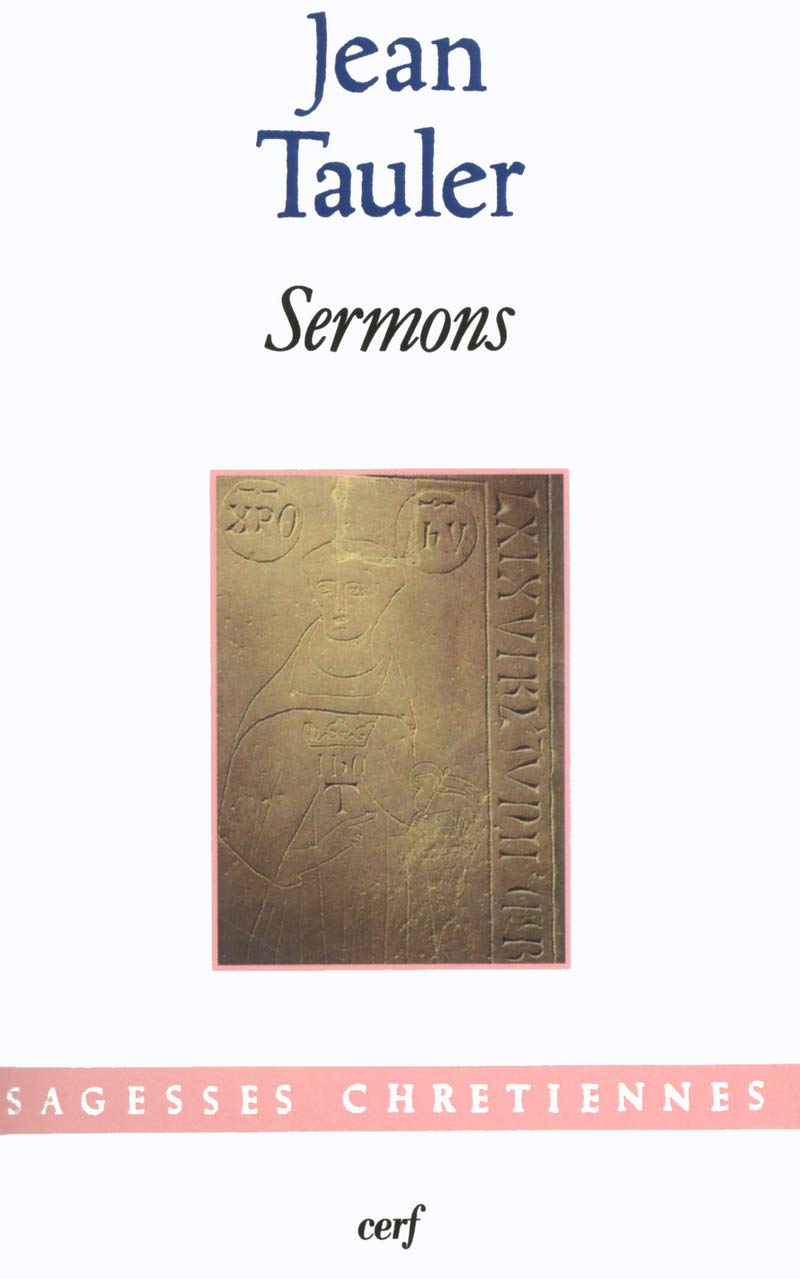
Tauler, Jean. Sermons (tr. Hugheny, E. / Théry, G.). Paris: CERF, 1991.
Tauler, Johannes. Sermons (tr. Maria Shrady). New York: Paulist Press, 1985.
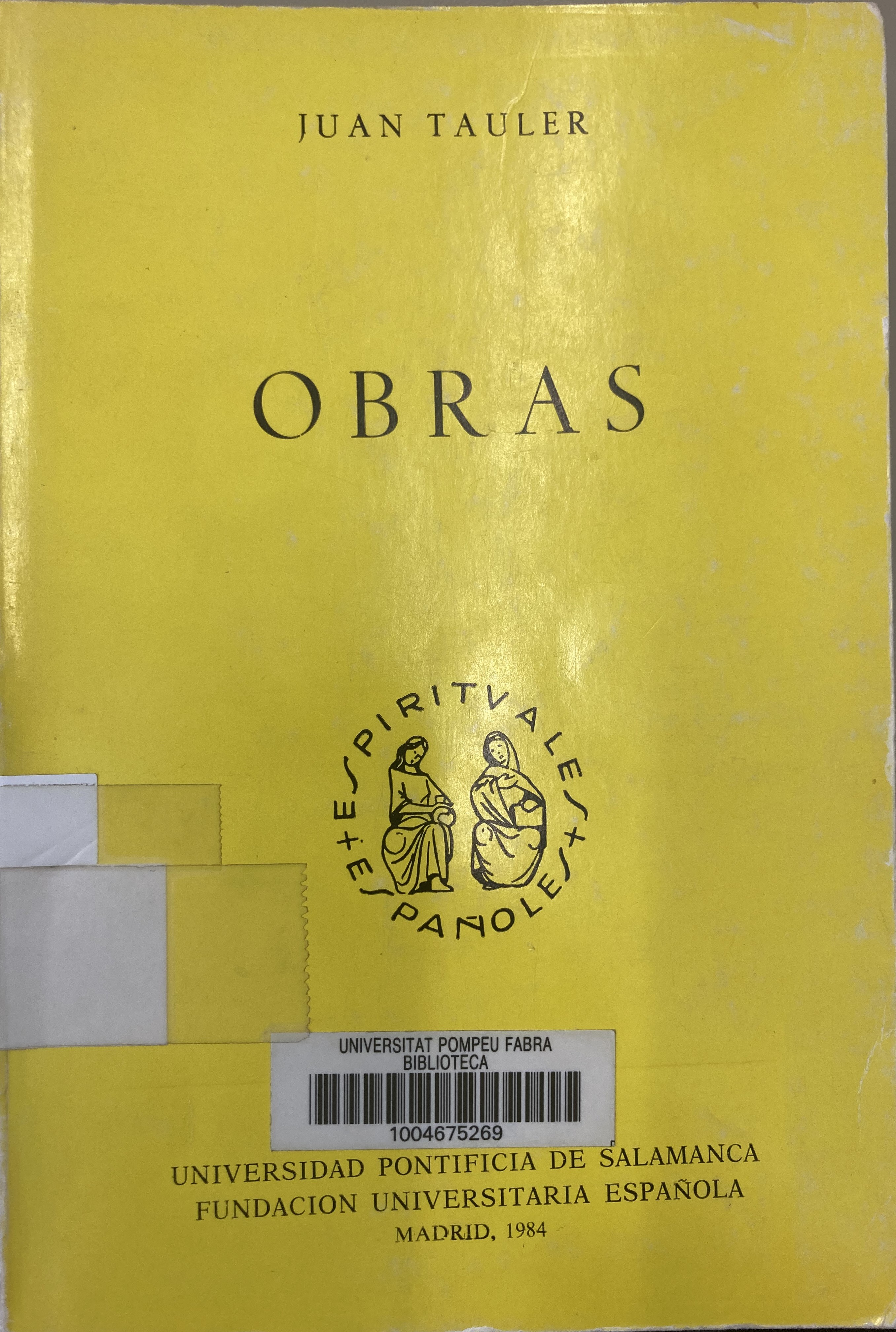
Tauler, Juan. Obras (tr. Teodoro H. Martín). Madrid: Universidad Pontificia de Salamanca, 1984.
En la Biblioteca Haas