
Javier & Marta Villavecchia Fellowships
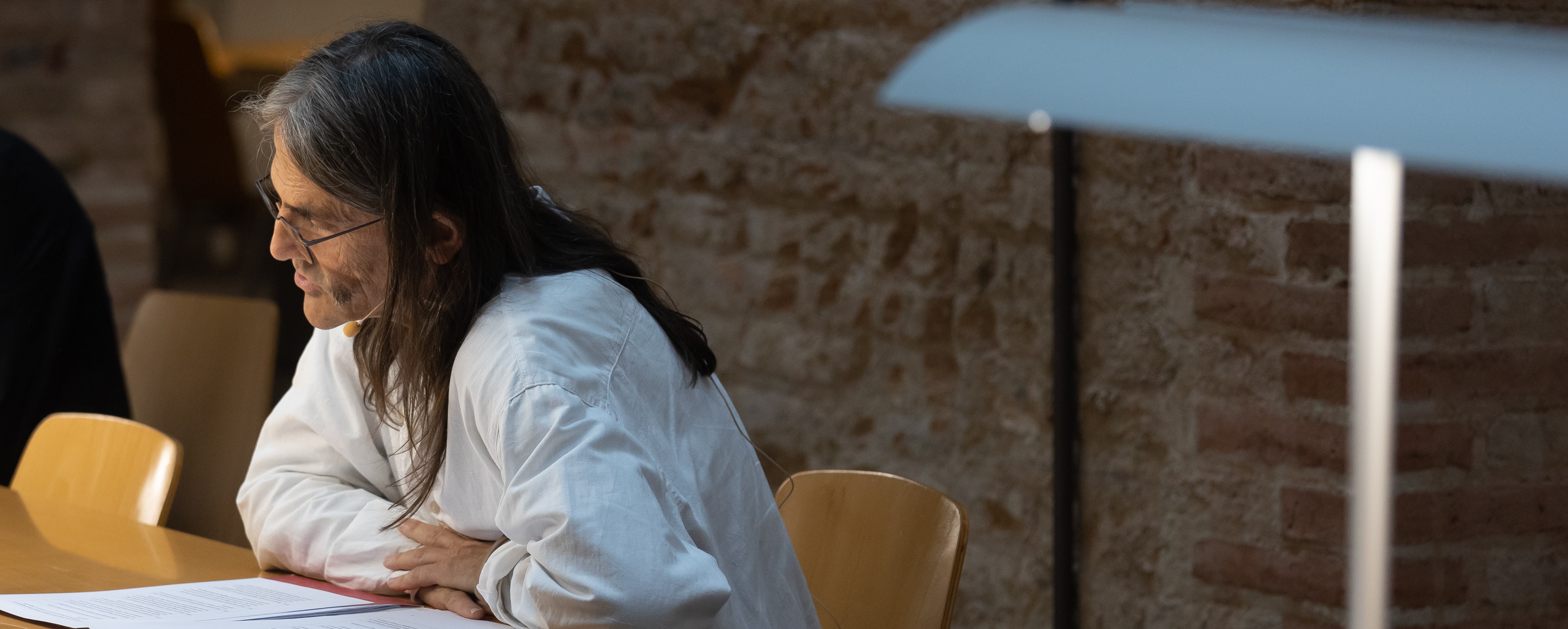
The Centre for Aesthetics, Religion and Contemporary Culture and the Haas Library at the Universitat Pompeu Fabra are pleased to announce a call for applications for an individual fellowship, permitting the successful applicants to carry out original artistic and/or research projects at the Haas Library for a period of four months.
We welcome scholarly and/or artistic submissions from any disciplinary background or perspective, though candidates must show the specific link between their proposal and any aspect or theme of the Haas Library collection.
In 2020, these fellowships, previously known as Haas Fellowships, were renamed as Javier & Marta Villavecchia Fellowships, so that they paid homage to their original benefactors and to the ongoing trust and generosity of the whole Villavecchia family. As of 2026, the programme was revised to improve the fellows' conditions: see changes here.
2027 Javier & Marta Villavecchia Fellowship (Closed)
The Centre for Aesthetics, Religion and Contemporary Culture and the Haas Library at the Universitat Pompeu Fabra are pleased to announce the new call for applications for one individual J&M Villavecchia Fellowship for 2027. This call is open to postdoctoral researchers, artists, and practice-based researchers with original and innovative proposals that make use of the themes and materials of the Haas Library. Applications made by last-year predoctoral researchers that can justify the crucial interest of the Haas library materials for the consecution of their PhD will also be considered.
The fellowship will fund a four-month project to be carried out during 2027.
Call for Applications
Application Form
The Application Form is to be sent to [email protected] together with a letter of introduction and motivation (1 page), a CV (2 pages), two recommendation letters, and a detailed proposal of the project to be carried out as fellow, putting emphasis on its adjustment to the aims of the scholarship (3 pages).
Applications deadline: August 31st, 2026 (Closed)

Chirine El Ansary, 2026
Chirine is a Cairo- and Lille-based storyteller, performer, and researcher working at the intersection of embodied practice and cultural memory. She holds a Practice-as-Research PhD from Goldsmiths, University of London, and her work develops physical storytelling as a decolonial and site-responsive practice. In her project Mundus Vocalis: Activating Sufi Texts Through Performative Storytelling, she explores how embodied oral performance can reactivate Sufi poetics as a living archive and a form of resistance to cultural erasure. Focusing on solastalgia—the grief linked to environmental and urban transformation—the project investigates how storytelling can transmit experiences of disconnection and reconstitute them as shared, embodied knowledge.
Workshop: Mapping Memory, Performing Solastalgia (17.04.2026)
Performative talk: Stories of the History of the Thousand and One Nights, with Margalida Castells and moderated by Meritxell Joan (22.04.2026)

Sander Vloebergs, 2026
Sander holds a PhD in Theology and Religious Studies (KU Leuven) and has worked on the medieval mystical culture of Liège and on contemporary practices of ritual dance within liturgical contexts. As a choreographer, Vloebergs works with dance and artistic methodologies as practice‑as‑research. In his project "Genealogies of Ecstasy in Mysticism and Dance", he analyses the complex histories of ecstasy traced through the extensive library of Alois M. Haas. Parallel to this archival research, he develops a solo dance performance that engages with these histories and critically explores feminine performances of ecstasy, with particular attention to their patriarchal and colonial underpinnings. Central within the performance are the feminine body, the aquatic body, and the reptilian body, culminating in the baroque iconography of the Maria Immaculata.
Open Rehearsal: "Figura Serpentinata" (13.03.2026)
Performance: "Noli me tangere: A Dance Duo on Ecstatic Touch", with Lu Marivoet (sound design by Raphaël Languillat) (26.05.2026)
Bronislaw Szerszynski, 2025 (postponed to Spring 2026)
Bronislaw is Emeritus Professor of Sociology at Lancaster University and leader of the interdisciplinary Ringmind project, which integrates astrophysics, computation, and philosophy. As a Villavecchia fellow, his project "Planetary Rings and the Great Art" fosters a dialogue between speculative astrophysics and early modern thought. Focusing particularly on the mystical philosopher Ramon Llull (c. 1232–1316), Szerszynski explores how Llull’s circular combinatorial figures can provide new frameworks for understanding self-organisation, dynamic order, and potential forms of mind in planetary ring systems.

Sara Castelo Branco, 2025
Sara Castelo Branco is a curator and researcher, working on the intersections of art and the moving image. Considering the connections between mysticism, gesture, hands and images, her research project "The Mystic Hands: Touch and Liminality as an Iconographic Motif" investigates the iconographic mystical representations of the hands and touch in the collection of The Haas Library, which will be the basis for the development of a future publication and a research on the way a set of artists working with film during the 21st century have signified the affiliations between transcendence and liminality, particularly through depictions of the hands in an association with mysticism. The project asks how to think about liminality from the perspective of the touch in a mystical perspective; and, how do artists’ films represent this same subject during the last four decades.
Performance: Manus Oculata (with Hugo de Almeida Pinho), within the cycle "In Fieri: Translating Images" (05.06.2025)

Sara Ramos Contioso, 2024
The project "Espiritualidad funeral y olvido: el Requiem de Pierre Bouteiller (1655-1717) como génesis creativa de una propuesta multidisciplinar" aims at developing a critical study of Bouteiller's requiem and funerary symbology, as the creative foundation for a string quartet composition. Besides Bouteiller, the project is enriched with two further sources from the Haas Library: the facsimile of the Gradual from Saint Cecilia in Trastevere and Cants Espirituals Catalans. The string quartet composition articulates in each move a citation of the spiritual chants, and complements Bouteiller's citations with Gregorian elements extracted from the Gradual.

Harri Hudspith, 2024
Harri Hudspith is an artist-researcher. Their practice-based project "Bricks, Branches, and Bodies (of Water): re-thinking the soul as a site of self-knowledge through the Dipòsit de les Aigües" pursues an exploratory dialogue between the Dipòsit de les Aigües and themystical writings of two female mystics associated with the Haas library collection: Catherine of Siena and Teresa de Jesús, both of whom speak to their soul’s experience of mystical knowing through patterns of architectural, aquatic, and arboreal imagery. Drawing on the Dipòsit and its aquatic connections with the Parc de la Cuitadella as a vehicle through which to read Teresa and Catherine’s text, the project seeks a re-thinking of the soul as a site of knowing that challenges traditional epistemological binaries and boundaries.

Manel Ribera, 2023
Saint Hildegard von Bingen is a key figure in Western mysticism. Her music was groundbreaking, featuring the earliest examples of musical notation with authorship. It showcased an extensive melodic contour, exploring registers, timbres, and colors uncommon for her time and even centuries later. Drawing inspiration from Hildegard's visions, writings, and music, Manel Ribera's "Projecte Paracúsies Divines" will create a new composition for two guitars at a quarter-tone distance, cello, voice, and electroacoustics, evoking a sensation of Paracusia. This work seeks to intertwine Hildegard's legacy with Manel Ribera's artistic expression, venturing into unexplored musical territories.
Concert: Divine Paracusia and Variations on Montserrat's Red Book

Vladislava Spasova Ilieva, 2023
The cultural anthropologist and doctor in Sciences of Religion Vladislava Spasova Ilieva is a postdoctoral researcher currently working in the Ethnographic Museum of the Bulgarian Academy of Sciences, and her research project "La figura de Jesús en la mística islamocristiana" involves the spiritual legacy and artistic expression of Christ in Sufi poetry and Eastern Christian images.
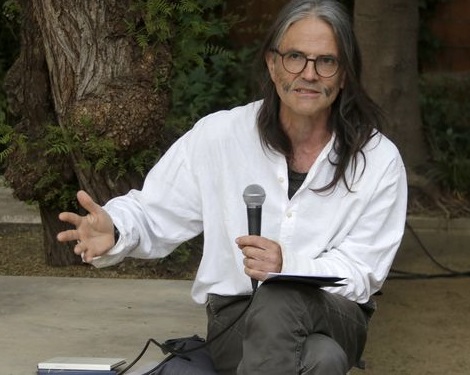
Perejaume, 2022
The artist, poet and essayist Perejaume prepares an intervention named "Escrita" in the Haas Library. Escrita is a river that flows through Espot in the Àneu Valley, and it is the occasion for a poetic-reflective account on the natural and human phenomena of inscription, insertion, erasure, presence and fluidity. The Dipòsit de les Aigües, which is the former water tower building that now hosts the Haas Library, is the ideal space for such poetic and performative remarks on the interrelation between books and water.
Performance: IX Alois Maria Haas Lectures: L'Escrita, a Lecture by Perejaume (June, 2022)
Performance: New staging of L'Escrita within the cycle Performing the Lecture (15.11.2024)
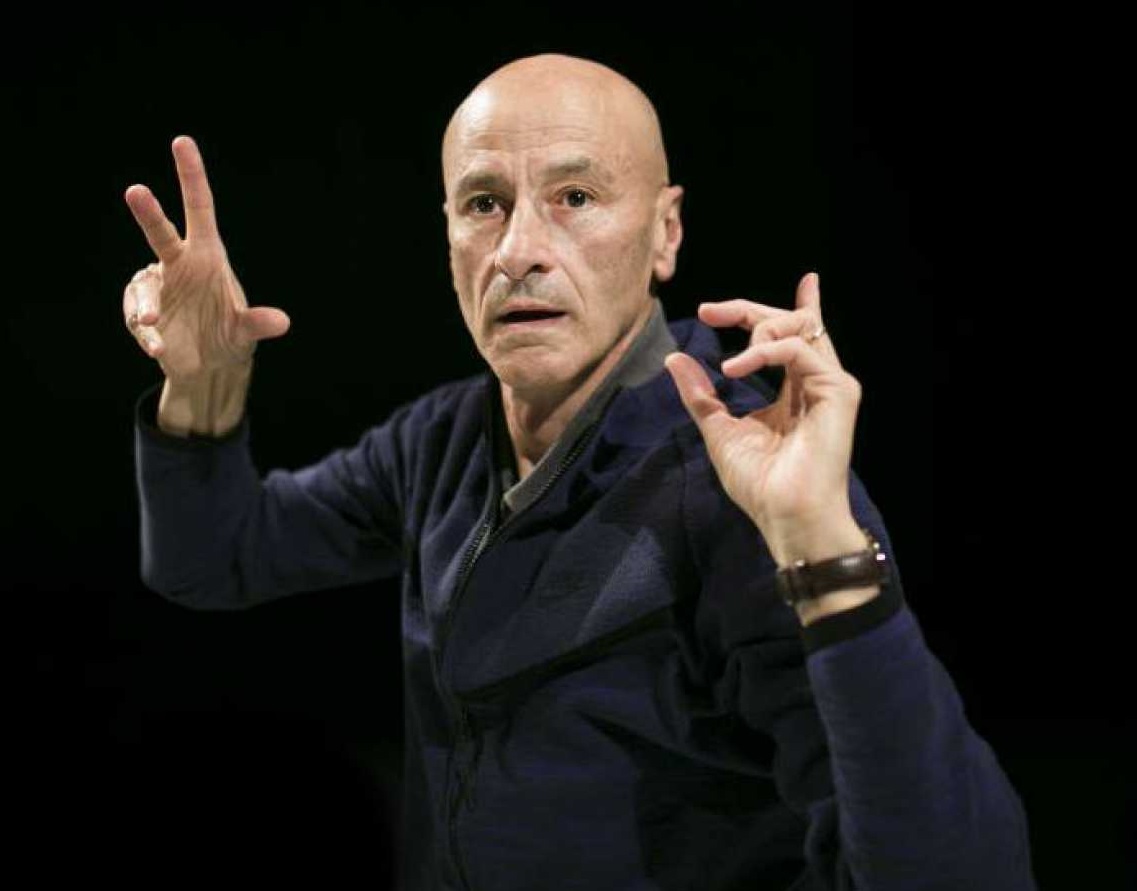
Cesc Gelabert, 2021
In the exceptional context of 2020-21, and in collaboration with the scholars of the Centre for Aesthetics, Religion and Contemporary Culture, Gelabert, one of the most reputed dancers and choreographers of today, together with Amador Vega, have developed a performance project around a piece by playwright Valère Novarina, known as "Excerpts: A Lecture in Dance and Theology." The performance in fieri touches the boundaries of expression and reflection through Novarina's words and silences and Gelabert's stillness and movements, in intimate relation with a number of spiritual practices of the East and the West, and in line with the scholarly neverending endeavour of comprehension of the mystery within human existence.
Performance: Nunc audite! A Lecture in Dance and Theology, within the cycle Performing the Lecture (04.10.2024)
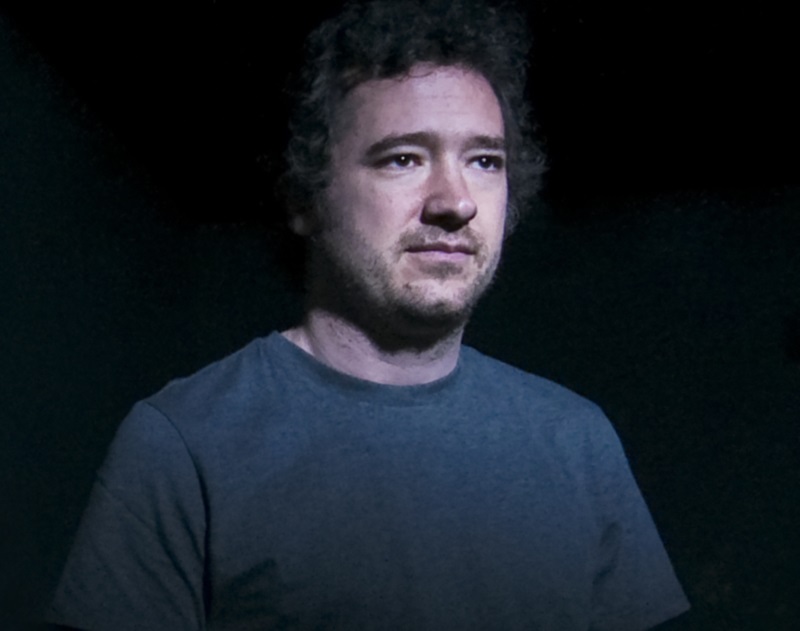
Martín Bonadeo, 2019
Martín José Bonadeo is a visual artist and lecturer at various universities of Argentina (UCA, Austral and Di Tella). His project "Representaciones gráficas visionarias" is involved with the images and graphic representations of the Haas collection, which are to serve as the symbolic basis for a research around contemporary Art and spirituality.
Artistic collaboration: Ensayos para una Cruz del Sur en el Norte (March, 2020)
Talk and walk: Deviations. North and South (17.10.2024)
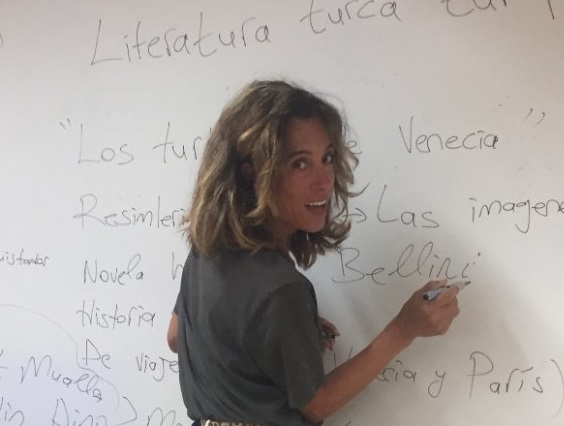
Nesrin Karavar, 2019
Nesrin Karavar is a postdoctoral researcher in the Universitat de Barcelona, and holds a PhD in Construction and Representation of Cultural Identity by the same university. Her project "Poesía mística femenina" is an important contribution to the comparative knowledge of Spanish and Turkish mystical traditions, specifically about St. Teresa de Jesús (1515-1582) and Adile Sultan (1826-1899), with the aim of pointing out the most characteristic aspects of feminine mystical literature in the East and the West.
Seminar: La poesía de corte místico de la princesa turco-otomana Adile Sultan (1826-1899)
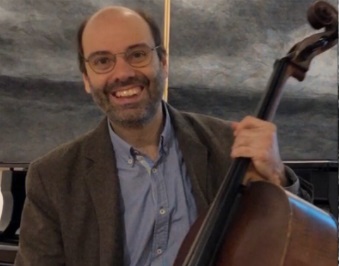
Sebastián Moro Tornese, 2018
Sebastián Moro is an expertised Violoncellist and holds a PhD in Philosophy at the Royal Holloway College (University of London). His project "La recepción del simbolismo cósmico-musical neoplatónico en Llull, Fludd y Kircher" explores the connection between Aesthetics, Cosmology and Mystical Philosophy and focuses on the symbol of the scala naturae, represented as a a musical scale and as a cosmical monochord. He works on the Neoplatonic heritage and emphasizes both the visual and auditive symbolism of Llull, Fludd, and Kircher's figures.
Seminar: La Musica Speculativa: la música como espejo de la realidad en la recepción del Neoplatonismo en Fludd y Kircher (VIII Haas Lectures)
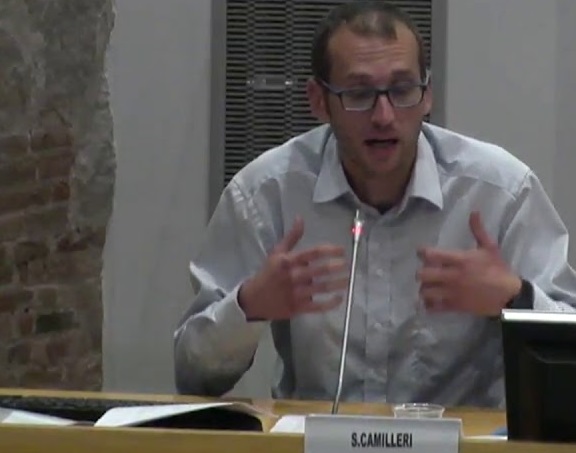
Sylvain Camilleri, 2018
Sylvain Camilleri is Assistant Professor at the Catholic University of Louvain. His project bears the title "Faith’s Knowledge in Johann Georg Hamann. On the Genesis and Topicality of XVIIIth Century Glaubensphilosophie." He explores its relationship with the Gefühlsphilosophie or the early Sturm und Drang movement. He addresses the problematic notion of Glaube, that simultaneously means "belief" and "faith", for faith is to be thought of as a very peculiar extension of belief leading a certain form of sui generis knowledge, which is of no less theoretical and practical value when it comes to our being-in-the-world.
Seminar: Faith’s Knowledge in Johann Georg Hamann. On the Genesis and Topicality of XVIIIth Century Glaubensphilosophie (VIII Haas Lectures)
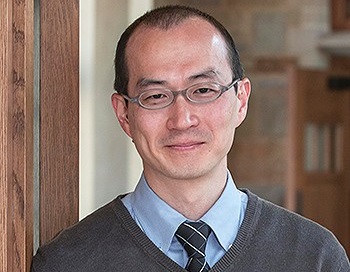
David W. Johnson, 2017
David Johnson is Associate Professor (with tenure) at the Boston College. His project, "Watsuji’s Philosophy of Nature: Thinking Between Heidegger and Gadamer", raises an intercultural dialogue between different philosophical traditions and their contribution to a deeper understanding of the philosophy practiced in East Asia.
Seminar: Nature, Culture, and Lifeworld. Some Ontological Considerations

Elizabeth Sarah Coles, 2016
Elizabeth Sarah Coles is a Marie Sklodowska-Curie Postdoctoral Fellow at the Universitat Pompeu Fabra, Barcelona, where she works on contemporary literary-critical cultures, forms, and media. She studied at the University of Cambridge (MA, MPhil) and Queen Mary, University of London (PhD), and has taught and published on literary criticism and theory, psychoanalysis and contemporary Anglophone poetry. She is co-editor and co-author of the forthcoming book, Wild Analysis: From the Couch to Cultural and Political Life, New Library of Psychoanalysis (London and New York: Routledge, 2021).
Presentation: Creación/decreación: apuntes hacia una lectura de la poética contemporánea (VII Haas Lectures)
Performative lectures cycle: Performing the Lecture (Fall 2024)