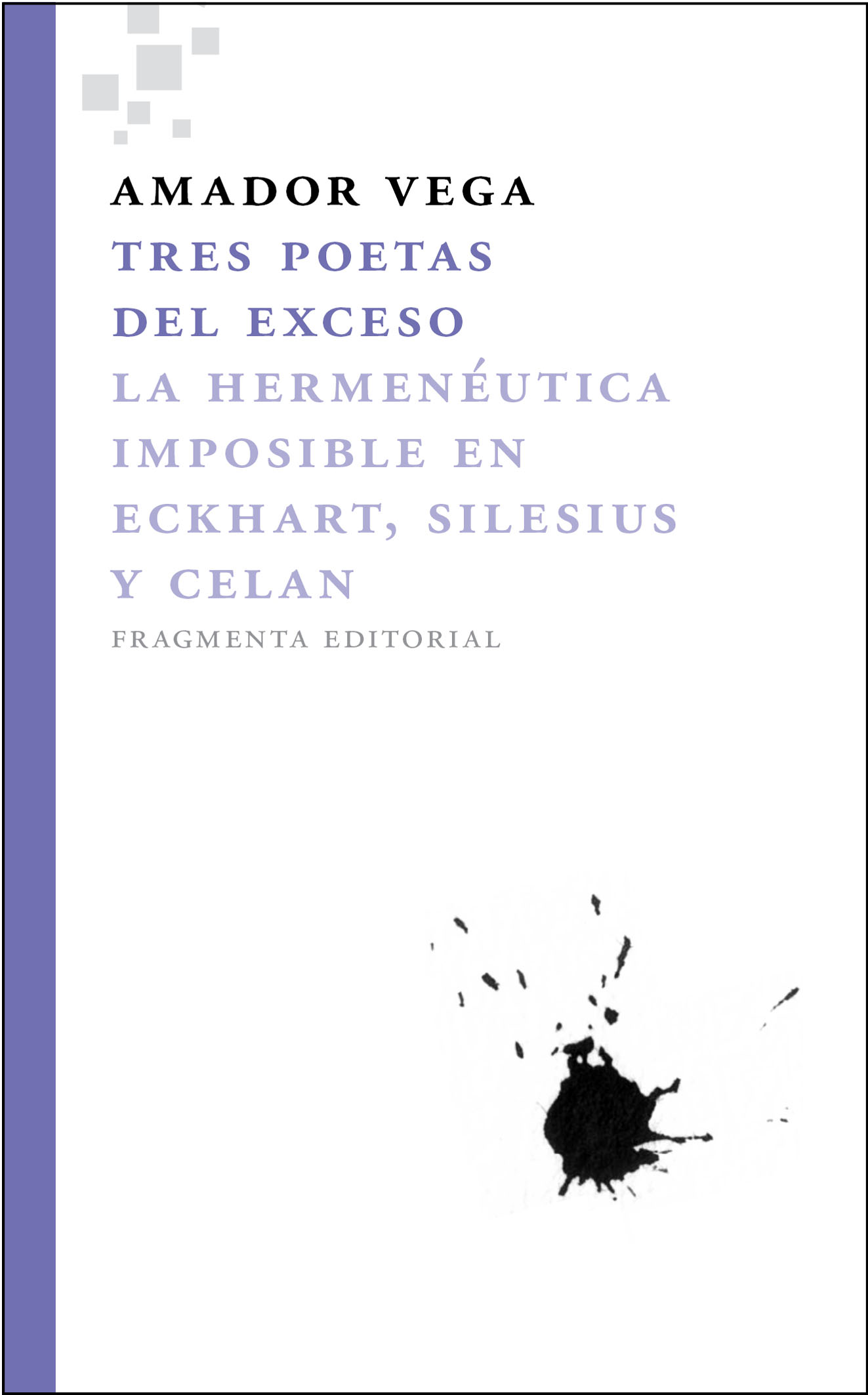
El peregrino querúbico
Angelus Silesius
El peregrino querúbico
Der Cherubinische Wandersmann
I, 17. Ein Christ ist GOttes Sohn
Jch auch bin GOttes Sohn / ich sitz an seiner Hand:
Sein Geist / sein Fleisch und Blut / ist Jhm an mir bekandt. (S. 22)
I, 99. Der Gelassenheit gilts gleiche.
Jch lasse mich GOtt ganz / wil Er mir Leyden machen /
So wil ich Jhm so wol / als ob den Freuden lachen. (S. 42) 
I, 108. Die Rose
Die Rose / welche hier dein aͤußres Auge siht /
Die hat von Ewigkeit in GOtt also gebluͤht. (S. 43)
I, 111. Die GOttheit ist ein nichts
Die zarte GOttheit ist ein nichts und uͤbernichts:
Wer nichts in allem sicht / Mensch glaube / dieser sichts. (S. 43)
I, 200. GOtt ist nichts (Creatuͤrlichs)
GOtt ist warhafftig nichts: und so er etwas ist:
So ist Ers nur in mir / wie er mich Jhm erkist. (S. 56)
I, 202. Die hohe Wuͤrdigkeit
O hohe Wuͤrdigung! GOtt springt von seinem Thron /
Und setzet mich darauf in seinem lieben Sohn. (S. 56)
I, 204. Der Mensch ists höchste Ding
Nichts duͤnkt mich hoch zu seyn: Jch bin das hoͤchste Ding /
Weil auch GOtt ohne mich Jhm selber ist gering. (S. 57)
I, 285. Das erkennende muß das erkandte werden
Jn GOtt wird nichts erkandt: Er ist ein Einig Ein.
Was man in Jhm erkennt / das muß man selber seyn. (S. 68)
I, 289. Ohne warumb
Die Ros' ist ohn warumb / sie bluͤhet weil sie bluͤhet /
Sie achtt nicht jhrer selbst / fragt nich ob man sie sihet. (S. 69)
II, 146. GOtt ist Fuͤnsternuß und Licht
GOtt ist ein lautrer Blitz / und auch ein Tunkles nicht /
Das keine Creatur beschaut mit jhrem Licht. (S. 93)
V, 81. Jm Reinen erscheinet GOtt
Mensch daͤnkstu GOtt zuschaun / dort oder hier auf Erden:
So muß dein Hertz zu vor ein reiner Spiegel werden. (S. 199)
Ed. Louise Gnädinger
El peregrino querúbico
I, 17. Un cristiano es hijo de Dios
Yo también soy hijo de Dios, estoy sentado a su diestra.
Su espíritu, su carne y su sangre me reconocen. (p. 65)
I, 99. El abandono todo lo iguala
Me abandono totalmente a Dios. Si quiere hacerme sufrir,
Reiré con Él como si fuesen de alegrías. (p. 74)
I, 108. La rosa
La rosa que ahora ve tu ojo exterior
Ha florecido en Dios desde la eternidad. (p. 75)
I, 111. La divinidad es una nada
La sutil divinidad es una nada y menos que nada.
Hombre, ¡créeme!, quien ve nada en todo éste ve. (p. 75)
I, 200. Dios no es nada (creatural)
Verdaderamente, Dios no es nada. Y si algo es,
Lo es solamente en mí por cuanto me ha elegido. (p. 85)
I, 202. La excelsa dignidad
¡Oh excelsa dignidad! Dios salta de su trono
Y me pone en su lugar como a su amado hijo. (p. 85)
I, 204. El hombre es la cosa más excelsa
Nada me parece excelso. Yo soy la cosa suprema
Porque el mismo Dios sin mí, por sí mismo, es poca cosa. (p. 86)
I, 285. El conocedor debe convertirse en lo conocido
Nada se conoce en Dios. Él es un Uno único.
Lo que se conoce en Él esto se debe ser. (p. 95)
I, 289. Sin porqué
La rosa es sin porqué. Florece porque florece.
A ella misma, no presta atención. No pregunta si se la mira. (p. 95)
II, 146. Dios es tiniebla y luz
Dios es brillante relámpago y nada oscura,
A la que ninguna criatura puede contemplar con su luz. (p. 113)
V, 81. En lo que es puro se muestra Dios
Hombre, si quieres contemplar a Dios, allí o en la tierra,
Primero, tu corazón se ha de convertir en un espejo puro. (p. 198)
Tr. Lluís Duch
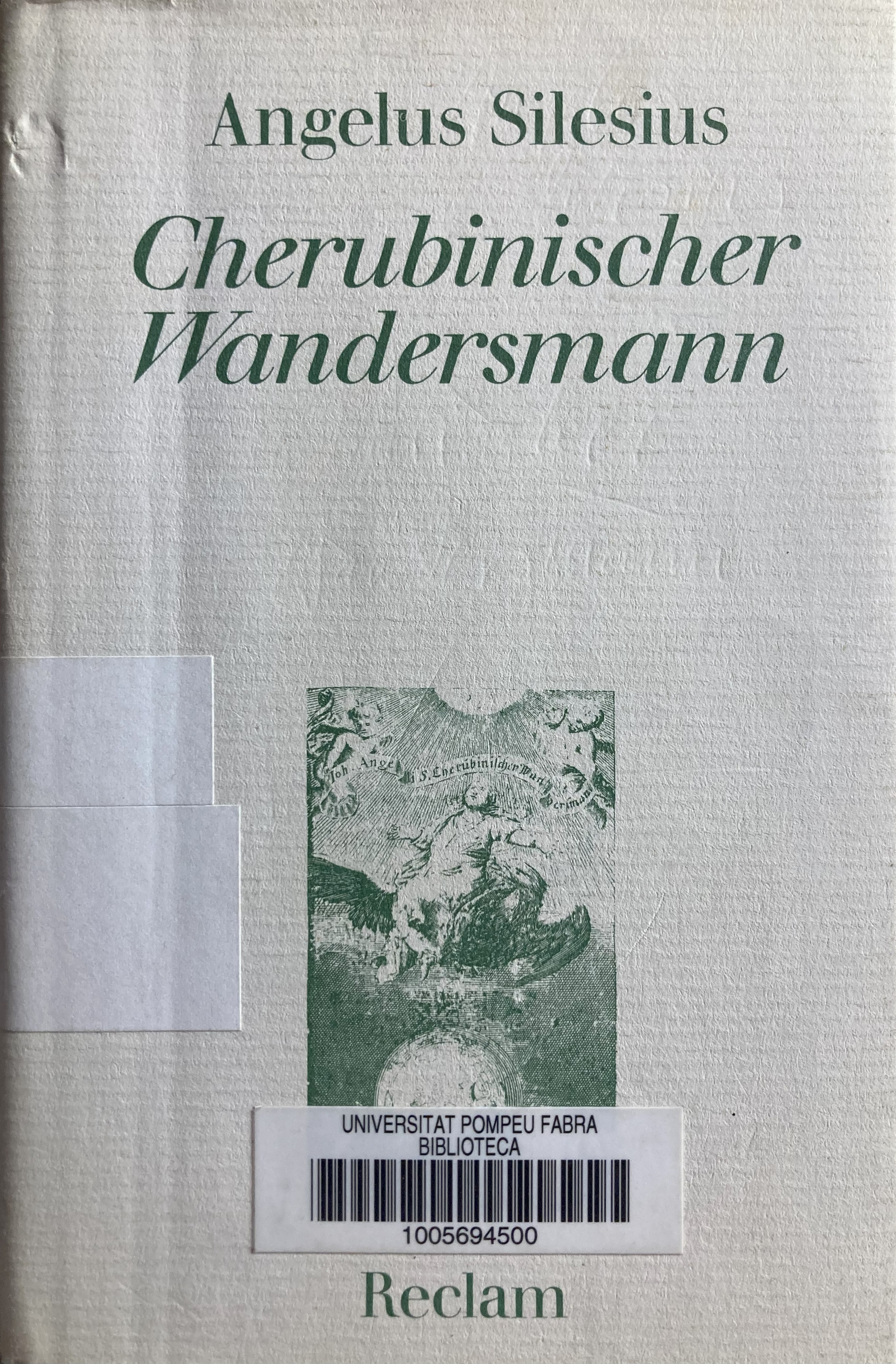
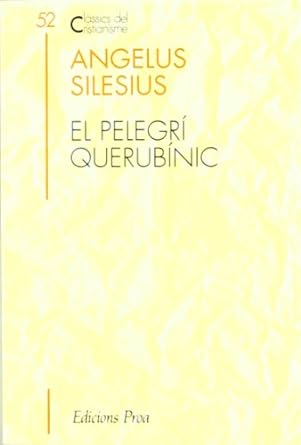
Angelus Silesius
Der Cherubinischer Wandersmann (ed. Louise GNÄDINGER), Stuttgart: Reclam, 1984.
El pelegrí querubínic (ed. tr. Lluís DUCH), Barcelona: Proa, 1995.
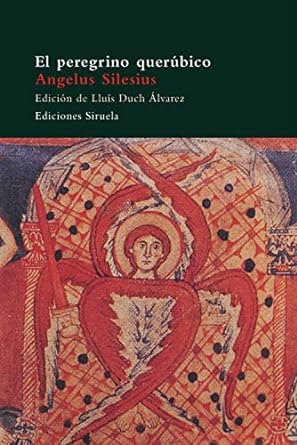
El peregrino querúbico (ed. tr. Lluís DUCH), Madrid: Siruela, 2005.
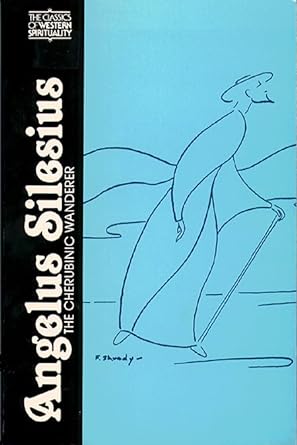
The Cherubinic Wanderer (tr. Maria SHRADY), New York / Mahwah: Paulist Press, 1986.