UPF to lead an innovative methodology to address the traumas of the Ukraine war, within the framework of the MAGNituDE project
UPF to lead an innovative methodology to address the traumas of the Ukraine war, within the framework of the MAGNituDE project
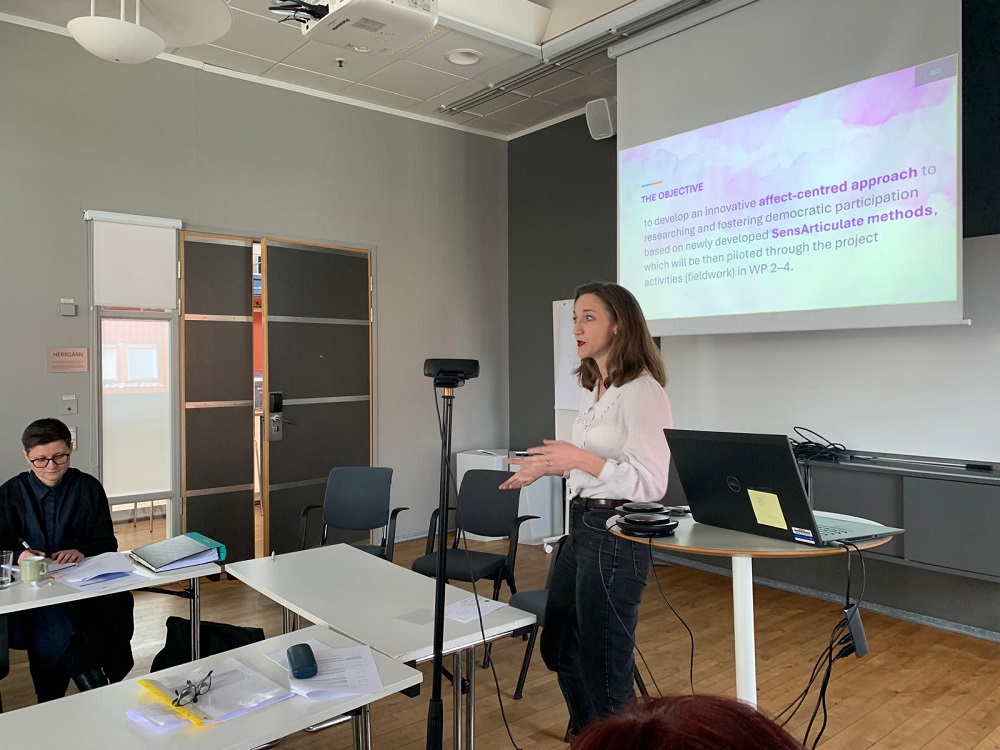
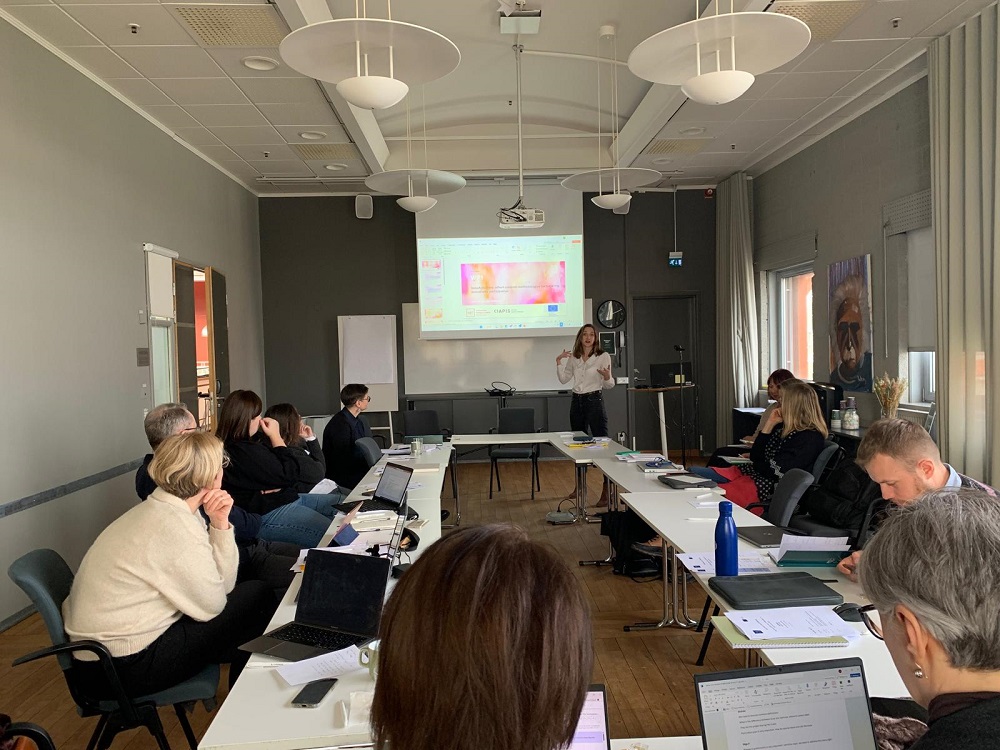
On 20 and 21 February 2025, consortium researchers and members met in Gothenburg (Sweden) to hold the kick-off meeting of the MAGnituDe research project, a collaborative initiative with the participation of Pompeu Fabra University, funded by the EU Horizon Europe programme. The project, coordinated by the University of Gothenburg involving a consortium of six universities, will run for four years (2025-2029) and is funded with three million euros.
MAGnituDE (Migration, Affective Geopolitcs and European Democracy in Times of Military Conflict) addresses the social and political consequences of the Russian invasion of Ukraine, focusing on trauma-sensitive methodologies to investigate the impact of forced displacement in European democracies. It will address challenges such as polarization, identity fragmentation, and social tensions resulting from war, and will provide evidence-based strategies to prevent the discrimination, marginalization, and exclusion of forcibly displaced persons and other migrants.
Ricard Zapata-Barrero, a full professor at the Department of Political and Social Sciences and director of the GRITIM-UPF research group, is a member of the project’s International Advisory Board, along with other leading academic experts on migration: Jenny Phillimore (a full professor of Migration and Superdiversity at the University of Birmingham), Magdalena Nowicka (head of the Integration Department at the DeZIM Institute in Berlin) and the EU’s JRC CC-DEMOS (Competence Centre on Participatory and Deliberative Democracy).
GRITIM-UPF, spearheading SensArticulate, the project’s methodological block
As part of the project, GRITIM-UPF will lead work package 1 (WP1), SensArticulate, an innovative research framework that integrates affect-centred, art-based and embodied methodologies to foster democratic participation.
The team, led by Nena Močnik, a Marie Sklodowska Curie postdoctoral researcher in the framework of the Eutopia-SIF programme and a member of GRITIM-UPF, in collaboration with the Apis Institute (Slovenia), will develop and test SensArticulate methods in the upcoming fieldwork activities through different phases of the project.
During the kick-off meeting in Gothenburg, Nena Močnik presented WP1 and outlined its main goals:
- To develop a new framework for trauma-sensitive methodologies and test techniques based on art and corporeality to improve the ethical commitment of research participants.
- To conduct training sessions for researchers, including a methodological workshop in Ljubljana and another in Barcelona.
- To create a documentary and a series of open access tools to share best practices.
- To publish an academic book, accumulate case studies and establish SensArticulate’s new methodological approach.
Nena Močnik: ”With UPF at the forefront of this work package, the MAGnituDe project is set to have a lasting impact on research practices, ensuring more inclusive, participatory and affect-sensitive approaches when studying the democratic engagement of immigrant communities across Europe”
SensArticulate, an innovative research framework that integrates artistic and embodied methodologies
“The concept of SensArticulate originates from my previous ethnographic research, in the context of severe collective traumas (e.g., wars, conflict-related sexual violence and refugee experiences) and an exploration of the body as a data repository, but it is a new framework, yet to be developed, tested and argued”, Nena Močnik explains.
The GRITIM-UPF researcher explains that the word is compounded by “sens”- for sensitivity when addressing trauma and sensory engagement to activate bodily responses; “art-” for the use of artistic expression to go beyond logocentric knowledge; and “iculate” from “articulate”, which emphasizes its focus on the expression and analysis of affection/non-cognitive effectively: in this way, artistic and embodied methodological techniques are integrated.
Publishing a book and making a film
For one of the actions designed within SensArticulate, GRITIM-UPF will coordinate the publication of a book and the production of material for a documentary film. Since the methodology involves significant bodily movement and non-verbal activities (inspired by community and applied theatre), professional filmmakers will document these elements to create a compelling visual narrative, with commentaries by the participants in the research and the project researchers.
The first workshop on methodology with the project partners is scheduled for June. Consortium members will then apply and test the proposed methods in their respective countries, collecting data. Later, there will be a series of meetings to fine tune the methods, integrate ideas and propose new methodological frameworks.