
Un profesor de la UPF elabora un estudio sobre los retos de la IA generativa para los derechos de autor por encargo del Parlamento Europeo
Un profesor de la UPF elabora un estudio sobre los retos de la IA generativa para los derechos de autor por encargo del Parlamento Europeo
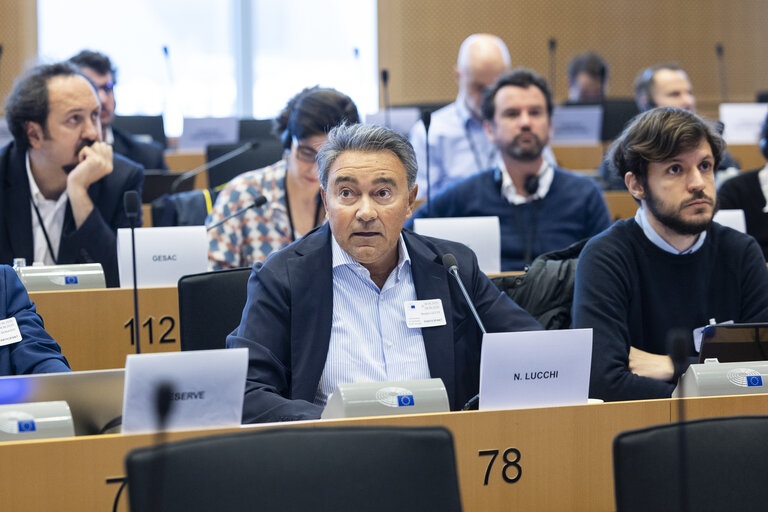
Nicola Lucchi, profesor agregado Serra Húnter de Derecho Comparado del Departamento de Derecho de la UPF, ha elaborado el estudio "Generative AI and Copyright. Training, Creation, Regulation", un análisis de los desafíos que plantea la inteligencia artificial generativa para los derechos de autor y para los principios básicos de la legislación europea vigente en este ámbito. El estudio examina las implicaciones de los sistemas de IA generativa para la ley de derechos de autor de la UE y propone opciones políticas para garantizar la justicia, la transparencia y la claridad jurídica frente al rápido cambio tecnológico.
“Generative AI and Copyright” (informe completo, en ingés, publicado en la web del Parlamento), un encargo del Departamento de Justicia, Libertades Civiles y Asuntos Institucionales del Parlamento Europeo, a petición de la Comisión de Asuntos Jurídicos (JURI), fue presentado por el profesor Lucchi en la sede de Bruselas de la Eurocámara (edificio Altiero Spinelli), el pasado 4 de junio. La presentación se enmarcó en un workshop que abordó la relación entre IA generativa y derechos de autor, a partir de las perspectivas legales, tecnológicas, económicas y creativas de este complejo fenómeno.
"La respuesta adecuada no es hacer que la ley de derechos de autor se adapte a la IA, sino garantizar que el desarrollo de la IA respete los principios legales y políticos básicos de los derechos de autor de la UE"
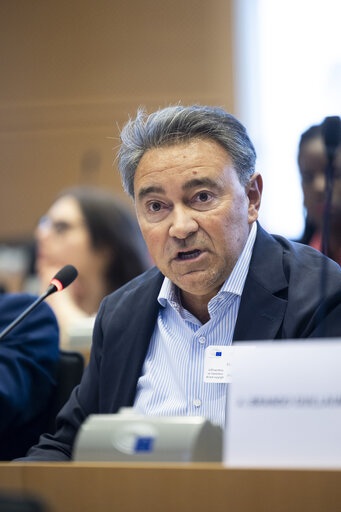
Nicola Lucchi, en su informe, destaca las incertidumbres y la discrepancia legal entre el entrenamiento de los sistemas de inteligencia artificial para aprender patrones y generar nuevos contenidos (el proceso por el que los modelos de IA generativa son alimentados con grandes cantidades de datos, incluyendo textos, imágenes, etc.) y las excepciones actuales de minería de texto y datos. "Estos desarrollos plantean riesgos estructurales para el futuro de la creatividad en Europa, donde un patrimonio cultural rico y diverso depende de la protección continua y la remuneración justa de los autores", afirma.
Ante este panorama, "la respuesta adecuada no es hacer que la ley de derechos de autor se adapte a la IA, sino garantizar que el desarrollo de la IA respete los principios legales y políticos básicos de los derechos de autor de la UE, incluyendo la autoría, la originalidad y la remuneración justa", constata el autor, que asegura que la UE está bien posicionada para responder a dos riesgos estructurales subyacentes: la erosión de poder de una negociación justa de los autores en las negociaciones sobre los usos del entrenamiento en IA, y el desplazamiento de la creatividad humana a través del despliegue masivo de contenido generativo a través de plataformas digitales.
Principales conclusiones y recomendaciones del estudio
El informe se estructura en cuatro partes diferenciadas: Introducción y contexto; Uso de obras protegidas por derechos de autor para entrenar a la IA generativa (por el lado de entrada del proceso); Estado legal de las salidas generadas por IA (por el lado de salida), y por último, Opciones políticas y recomendaciones.
Describe tres escenarios de futuro posibles para los sectores creativos europeos (optimista: progreso guiado; intermedio: status quo litigioso, y regresivo: erosión creativa), en función del nivel de intervención reguladora adoptado para 2030, y presenta las principales conclusiones resumidas en cinco puntos:
- La minería de texto y datos (TDM) de la UE no se diseñó para adaptarse a la naturaleza expresiva y sintética del entrenamiento en IA generativa, y su aplicación a estos sistemas corre el riesgo de distorsionar la finalidad y los límites de las excepciones de derechos de autor.
- Los resultados generados completamente de forma automatizada deberían permanecer desprotegidos; por el contrario, las obras asistidas por IA requieren criterios de protección armonizados.
- Un sistema legal de remuneración equitativa es esencial para reducir la creciente brecha de valor entre creadores y desarrolladores de IA.
- El panorama de gobernanza fragmentado dentro de la UE subraya la necesidad de respuestas institucionales más coherentes e intersectoriales.
- -Sin una reforma oportuna, la UE corre el riesgo de incertidumbre jurídica, concentración del mercado y homogeneización cultural.
En el apartado de recomendaciones, el informe destaca, entre otros, la necesidad de cerrar las lagunas normativas, esclarecer los límites normativos, reforzar las salvaguardias y las protecciones procedimentales y fomentar una gobernanza inclusiva. El objetivo final de la propuesta de Nicola Lucchi es "articular un modelo regulador equilibrado, que permita el desarrollo responsable de la IA, que garantice el respeto por la creatividad humana y refuerce el doble liderazgo de Europa en el avance tecnológico y la producción cultural”.