
Research led by UPF reveals that millet reached southern Asia at least five centuries earlier than previously believed, marking the first signs of food globalization in the ancient world
Research led by UPF reveals that millet reached southern Asia at least five centuries earlier than previously believed, marking the first signs of food globalization in the ancient world
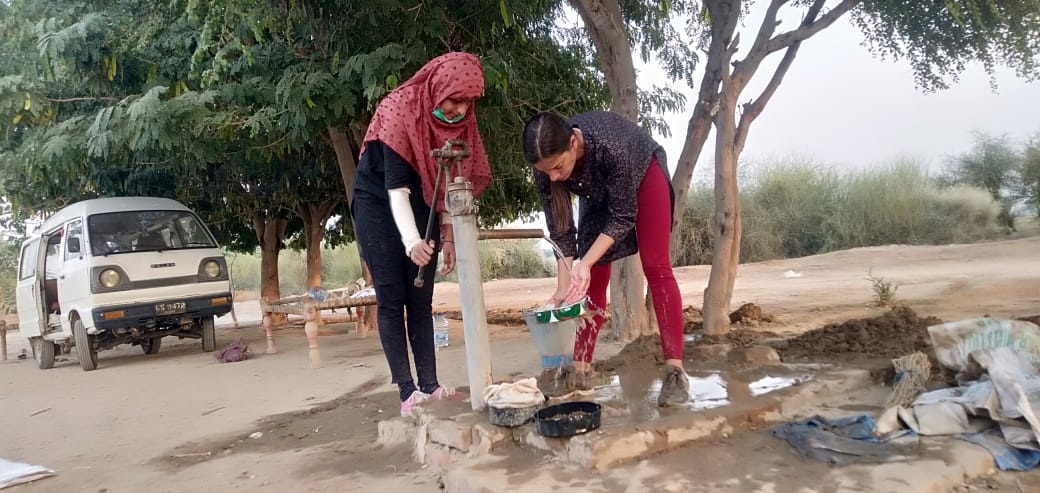
Pearl millet, a highly nutritious small-grain cereal, arrived in the Indus Valley area, located in the region of Pakistan (southern Asia), at least five centuries earlier than had been established by the scientific evidence to date, according to a study led by researchers from Pompeu Fabra University. The research, which has enabled placing the cereal’s arrival in the area at around 2500 BCE (and not circa 1900 BCE, as previously believed), has included field work at the archaeological site of Bhando Qubo (Sindh, southeastern Pakistan), with the collection of seeds and charred fruit and subsequent analysis and radiocarbon dating.
“Thanks to radiocarbon dating, the millet grains collected at our settlement were dated at around 2500 BCE, contemporaneous with the earliest records of this domesticated crop in Africa"
Millets are a group of cereals that are gaining global attention as nutritious and climate-resistant crops, capable of growing where other grains do not take root. Among them is pearl millet, the most cultivated in the world, which stands out for its rapid growth and tolerance of poor soils and poor rainfall, becoming a vital source of food and fodder in parts of Africa and southern Asia. Currently, these same characteristics make it a strategic crop also for Europe, especially in Mediterranean regions, where climate change and a shortage of water call for more resilient agricultural systems. But when and how did this resilient cereal reach southern Asia?
The study, conducted out by Carolina Jiménez-Arteaga, Óscar Parque, Carla Lancelotti, Marco Moderato and Marco Madella, members of the CASEs (Culture, Archaeology and Socio-Ecological Dynamics) research group of the UPF Department of Humanities, together with peers from Shah Abdul Latif University of Khairpur (Sindh, Pakistan), has recently been published in Scientific Reports, shedding light on the matter as it provides innovative evidence of the archaeological site of Bhando Qubo, located in the lower Indus valley (Sindh, Pakistan).

One of the first examples of food globalization
“Thanks to radiocarbon dating, the millet grains collected at our settlement were dated at around 2500 BCE, contemporaneous with the earliest records of this domesticated crop in Africa. This finding makes the arrival of the crop (and its use as food) in southern Asia at least five centuries earlier than was previously thought”, the researchers assert.
They also emphasize that “these results show one of the first examples of food globalization between Africa and Asia, and that the Indus Valley played a key role as a corridor between Asia, Africa and Europe for the dispersal of crops in prehistoric times. This demonstrates how agricultural communities exchanged plants and knowledge between continents thousands of years before the most famous exchange of the 15th century between America and Europe”.
The UPF researchers carried out the excavations (in collaboration with Pakistani archaeologists linked to Shah Abdul Latif University of Khairpur in Sindh and with the permission of the director general of Archaeology of Sindh), collected samples of charred plant material and analysed and dated them. “Beyond archaeology, our discovery underlines the historical importance of a crop that remains crucial for food security and resilience in drylands today”, they stress.
Research thanks to a doctoral thesis and within the ModAgrO project, coordinated by UPF

The published article is the result of the doctoral research carried out by Carolina Jiménez Arteaga (first author) within the framework of the ModAgrO project, led by Marco Madella, co-author of the article and director of the CASEs research group.
Carolina Jiménez Arteaga’s thesis, co-directed by Marco Madella and Carla Lancelotti, aims to understand agricultural and plant food preparation strategies in the lower Indus area during the pre-urban and urban periods. The results yielded suggest a more diverse and flexible plant economy in the area than recognized hitherto.
The ModAgrO project, funded by the Spanish Ministry of Science, Innovation and Universities and the Palarq Foundation, investigates the origin of agricultural communities in the Indus Valley and the dynamics that supported processes of urbanization, which led to one of the main cultural traditions of prehistory: the Indus civilization.
Reference work: Jiménez-Arteaga, C., Parc, O., Lancelotti, C. et al. (September 2025), “New evidence reveals dispersal of pearl millet from West Africa to South Asia by 2500 BCE”, Scientific Reports (Nature)