El cambio climático y el nuevo orden global obligan las administraciones a estar más preparadas para comunicar las emergencias
El cambio climático y el nuevo orden global obligan las administraciones a estar más preparadas para comunicar las emergencias
El cambio climático y el nuevo orden global obligan las administraciones a estar más preparadas para comunicar las emergencias
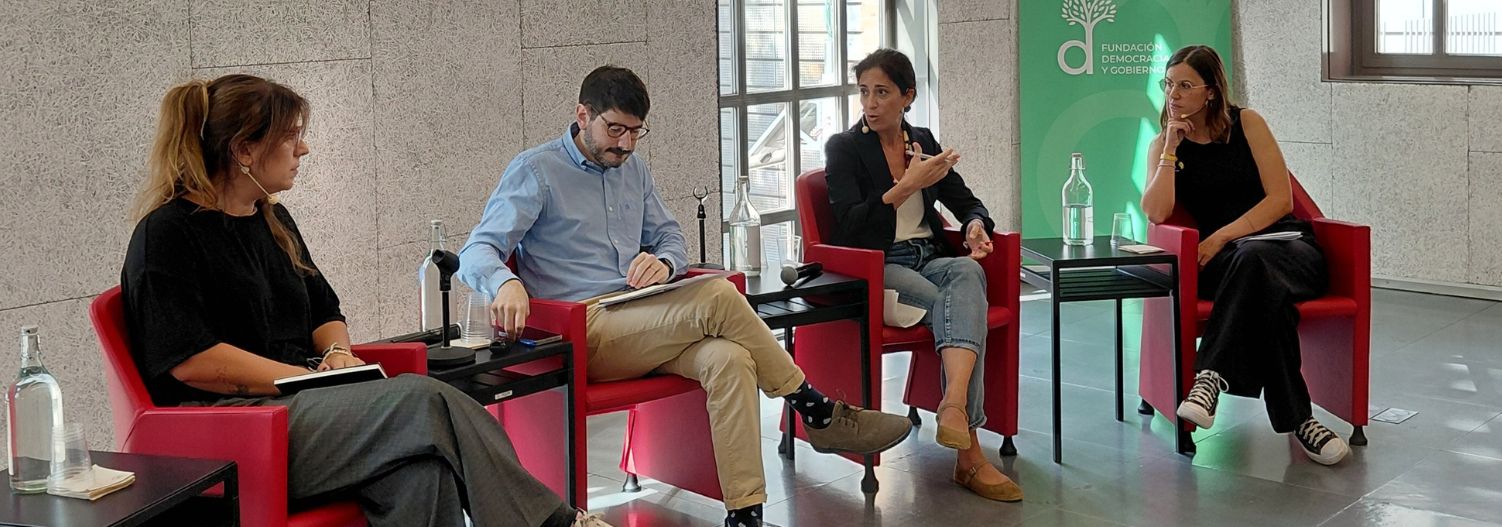
La Cátedra Ideograma de la Universitat Pompeu Fabra organizó, junto con la Fundación Democracia y Gobierno Local y la Diputació de Barcelona, la jornada “Comunicar en situaciones de emergencia: retos, estrategias y nuevos medios”, que se celebró el pasado 3 de octubre en el Campus del Poblenou de la UPF. El encuentro reunió a profesionales y académicos que reflexionaron sobre cómo anticipar, gestionar y comunicar eficazmente en contextos críticos desde las administraciones públicas.
En un contexto marcado por el cambio climático y un nuevo orden global lleno de incertidumbres, la jornada destacó la necesidad de que las administraciones estén mejor preparadas para comunicar en situaciones críticas. Las emergencias son cada vez más frecuentes y complejas, lo que hace imprescindible anticiparse a los escenarios de crisis y disponer de herramientas y protocolos que permitan reaccionar con rapidez y eficacia. En esta línea, las aportaciones de los ponentes profundizaron en cómo planificar la respuesta comunicativa antes de que estalle la crisis, integrando la comunicación como una parte esencial de la gestión de emergencias.
El programa combinó diálogos y mesas redondas con expertos como la responsable de estrategia y comunicación del cuerpo de los Mossos d’Esquadra, Patrícia Plaja; el jefe de prensa de la Agencia de Seguridad y Emergencias Madrid 112, Francisco Javier Ayuso; y la directora de comunicación del Servicio de Emergencias 112 Andalucía, María Pilar Limón. Además, contó con la colaboración del director de la Cátedra, Carles Pont; el director adjunto de Ideograma, Santiago Castelo; el investigador de la UPF, Christian Lozano; y el profesor de la Universidad de Lleida, Guillem Suau.

Más allá de las acciones operativas: comunicar bien
Entre las ideas más destacadas figuró la importancia de formar portavoces capaces de soportar la presión y transmitir mensajes claros y veraces, evitando el uso de palabras vacías que puedan amplificar la incertidumbre. También se subrayó la necesidad de escuchar a las partes implicadas antes de comunicar, para adaptarse al contexto y evitar errores de percepción. Asimismo, se reforzó la idea de que en una emergencia no solo son importantes las acciones operativas, sino también la comunicación: lo que se dice, cuándo se dice, cómo se dice y a través de qué canal puede condicionar la efectividad de la respuesta institucional e, incluso, la confianza ciudadana.
Las aportaciones de los ponentes también pusieron de manifiesto que, a pesar del protagonismo de las redes sociales en la comunicación de emergencias, los medios de comunicación tradicionales siguen siendo un canal clave para llegar a la ciudadanía en estos contextos. En este sentido, se destacó la importancia de seguir trabajando la confianza entre los gabinetes de comunicación y los periodistas, como aliados esenciales en la difusión de información veraz y contrastada hacia la ciudadanía.

La comunicación de emergencias en el ámbito local
El bloque final de la jornada se centró en comentar cómo puede ponerse en práctica la comunicación de emergencias desde los gobiernos locales, compartiendo buenas prácticas y retos en la gestión. Todo ello se cerró con una mesa que contó con la participación de la directora de comunicación de la Diputació de Barcelona, Anna Maria Sendra; la responsable de prensa del área de Seguridad del Ajuntament de Barcelona, Bàrbara Soler; y la directora de comunicación del Ajuntament de Terrassa, Rosa Sariñena.

De esta manera, la jornada fue un espacio de diálogo entre la teoría académica y la experiencia profesional, reforzando el compromiso de la Cátedra Ideograma-UPF, la Diputación de Barcelona y la Fundación Democracia y Gobierno Local por impulsar una comunicación pública más preparada, coordinada y eficaz ante las emergencias del presente y del futuro.