Master in Discourse Studies: Communication, Society and Learning
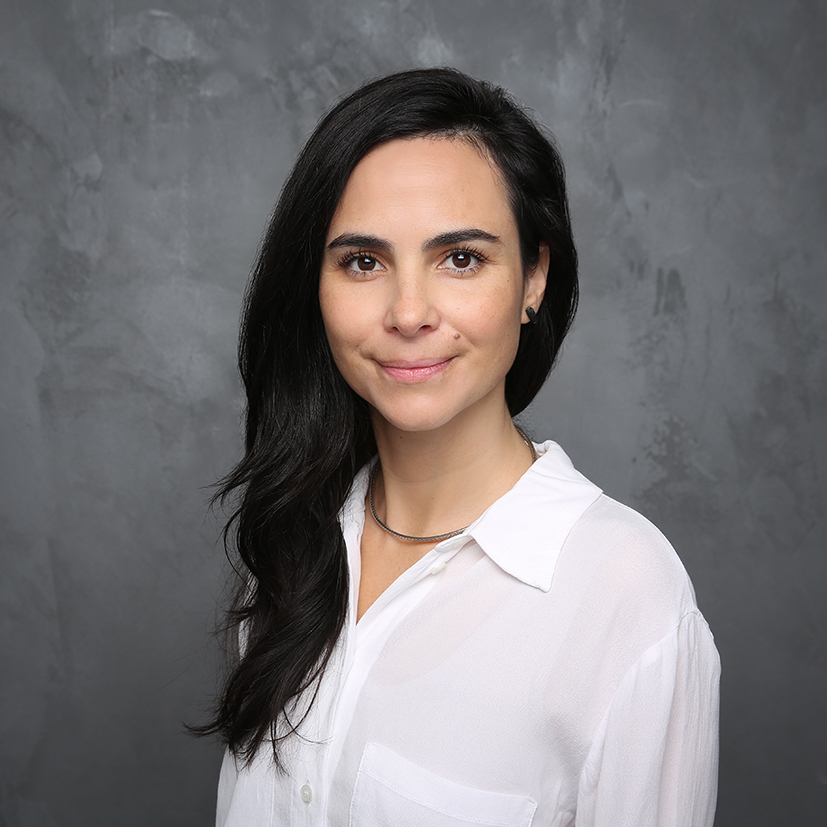
"En el máster adquirí conocimientos para ser más crítica y ver un mismo tema desde diferentes perspectivas"
María Toscano Hernández
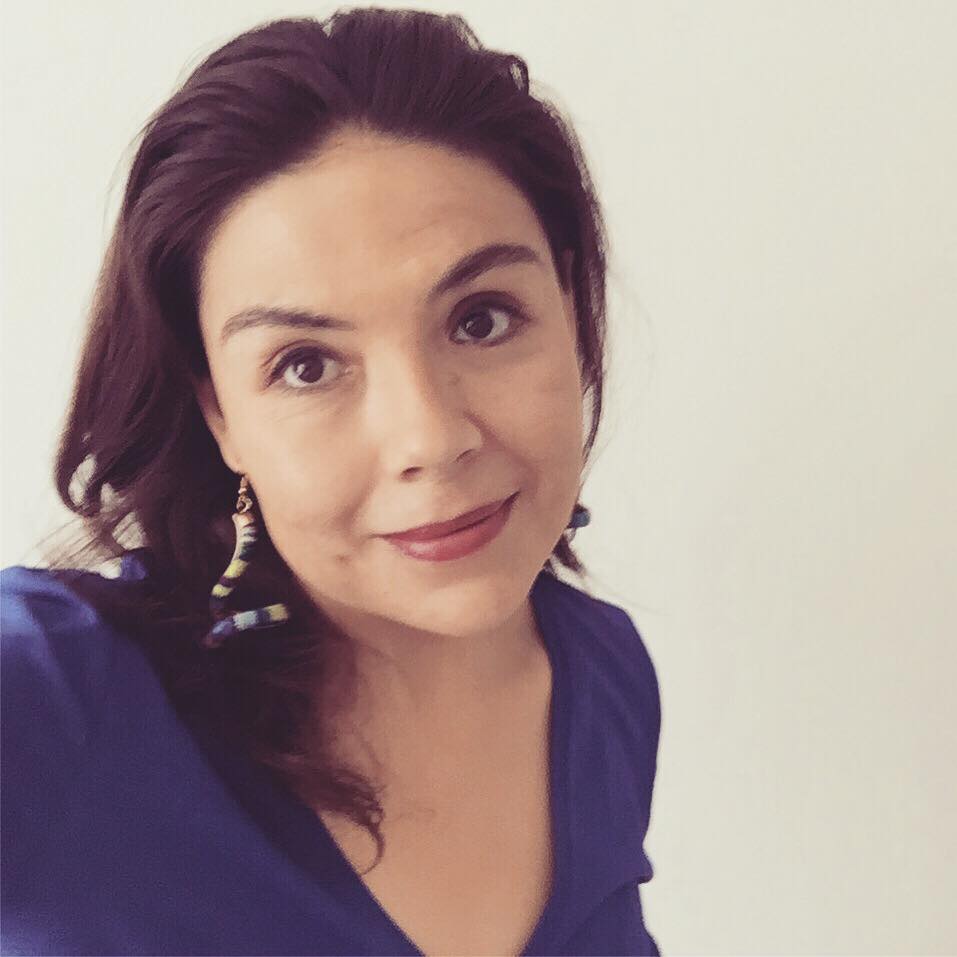
"Treballo on treballo, i ensenyo com ensenyo, gràcies també a tot l'aprenentatge adquirit al llarg d'aquell any acadèmic"
Martí Freixas Cardona

"Me quedo con la calidad de las y los profesores que supieron transmitir su pasión por el conocimiento"
Mariana Díaz Meave
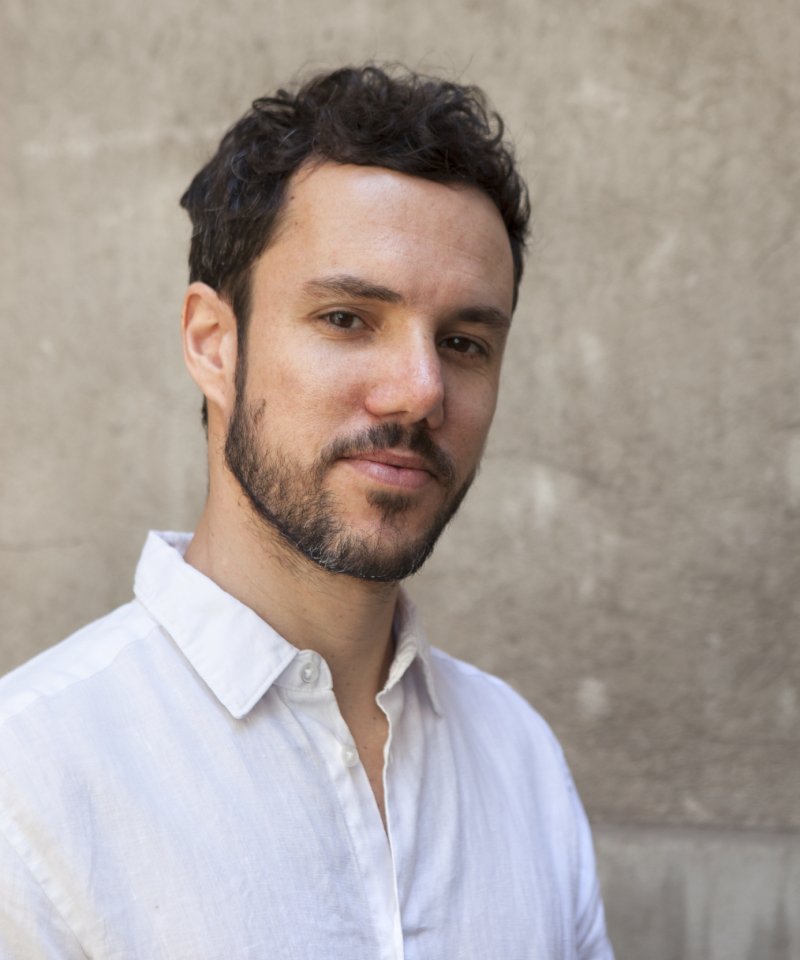
"Del Máster en Estudios del Discurso me quedo con tener una comprensión amplia sobre muchos problemas de comunicación y sobre cómo resolverlos o mitigarlos"
Ignacio Concha
Why choose this program?
The master's programme in Discourse: Communication, Society and Learning is an interuniversity master's programme offered by Pompeu Fabra University (UPF) and the Autonomous University of Barcelona (UAB).
The programme's main objective is, first, to promote research and train experts in the development and application of theories, methods and practices related to the study of language in social, communicative and learning contexts; and, second, to contribute to academic specialization in the various areas of application of discourse studies. The programme's optional module offers subjects whose objectives and applied content are intended to strengthen specializations or prepare students for subsequent doctoral studies.
Who is it for?
The ideal candidate for the master's programme in Discourse: Communication, Society and Learning will hold a university degree or diploma in the area of language, social communication or social sciences. For candidates with degrees in other areas, consideration will be given to experience in the media industry, journalism or language teaching.
Knowledge, skills and competences acquired
Upon completing the master's programme, students will be able to:
- Apply the main theories and approaches of discourse studies to the various disciplines of the humanities and social sciences.
- Analyse the units, categories, levels and other grammatical (phonological, syntactic, semantic), pragmatic, rhetorical, semiotic and stylistic structures and superstructures of the main oral, written and multimodal genres of discourse as forms of language use, communication and interaction.
- Build corpora of qualitative data extracted from the oral and written practices of a sociocultural community and obtain criteria for analysis and interpretation.
- Interpret the main forms and functions of communication in society and their effects on knowledge, attitudes, ideologies, standards and public values.
- Think critically about the role of discourse and communication in the (re)production of different forms of inequality and domination in contemporary society.
Inter-university master: Universitat Pompeu Fabra (coordinator) and Universitat Autònoma de Barcelona
Quality assurance
Structure and Syllabus
The syllabus consists of 5 modules and the master's degree is obtained by passing a minimum of 60 ECTS distributed as follows:
- 15 ECTS of compulsory subjects, corresponding to the 3 subjects of the common module of the master's degree
- 10 ECTS corresponding to the subject Training in research action of the methodological module, mandatory to complete the research line in the scientific study of discourse
- 10 ECTS of subjects of the selected specialization module (intensification): Communication, Society or Learning
- 15 ECTS of elective subjects corresponding to a minimum of 5 ECTS of the electives of the methodological module, and a minimum of 10 ECTS to be chosen between the subjects of the specialization and elective modules
- 10 ECTS of the Master's Theses
Faculty staff

Carmen López Ferrero
Tenure lecturer in Spanish language and discourse studies
/Master coordinator/
Career prospects
- General and specialized consulting for discursive services
- General and specialized journalism
- Advertising
- Interaction and communication within and between companies
- Communication and political marketing
- Medical and health communication
- Multicultural communication
- Social mediation (intercultural, educational, health, therapeutic, corporate)
- Education (cultural diversity and multilingualism management)
- Communicative and pragmatic aspects of language teaching (production and interpretation of texts and oral communication activities).

See also
Translation and Language Sciences Department
Edifici Roc Boronat (campus del Poblenou)
Roc Boronat, 138
08018 Barcelona
(+34) 93 542 11 84
(+34) 93 542 24 90

Campus del Poblenou
Roc Boronat, 138, 08018 Barcelona

Campus de Bellaterra
08193 Bellaterra, Cerdanyola del Vallès
- Departament de Didàctica de la Llengua, la Literatura i les Ciències Socials
- Departament de Mitjans, Comunicació i Cultura
- Departament de Psicologia Social
- Departament de l'Expressió Musical, Plàstica i Corporal
- Departament de Pedagogia Aplicada
- Departament de Teories de l'Educació i Pedagogia Social