
Master in Governance
“Thanks to the master program I had the chance to deepen and broaden my knowledge about different areas of political science”
Rima El Chaker

"Combines modules on research methods with knowledge on migration policies that have been implemented across Europe. It was a great way to meet people from all over the world and I have made friends for life"
Isabel Clifford
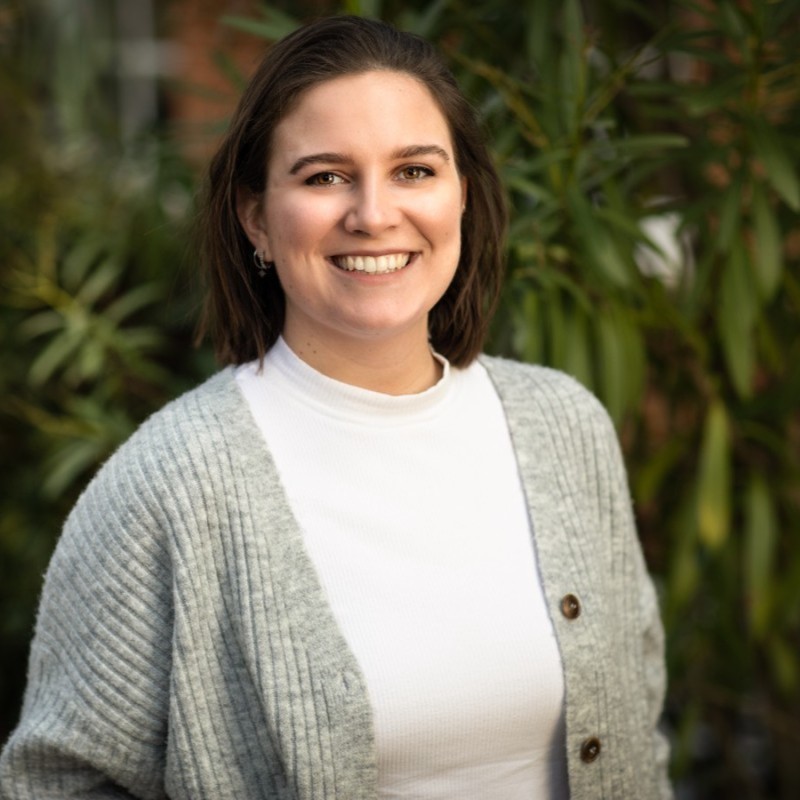
“A mix of theoretical and practical approaches to political issues and an emphasis on the real-world implications of academic research are aspects that really resonated with me”
Maya Diekmann

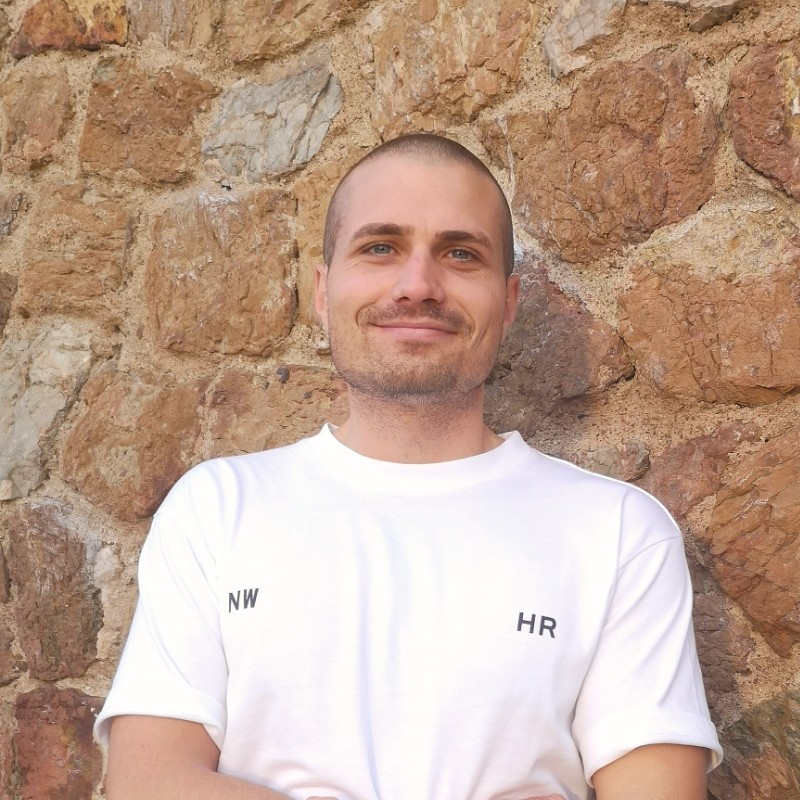
"The program has a strong research focus and the teachers all showed great commitment and always had an open ear! I am happy that I made this experience and feel prepared for the next step to come!"
Janis Janowsky
Why choose this program?
The Master in Governance is designed to prepare researchers and experts with the skills to work autonomously and productively in the field of governance and in any of the three tracks offered – Politics & Policy, Current Democracies, and Migration. The programme emphasizes the application of cutting-edge techniques and methodologies, enabling graduates to contribute effectively to research teams, study centres, and both public and private organizations.
- Advance Your Career: This program provides a pathway to excel in academic and professional fields such as public policy, democracy, diversity, and migration studies.
- Expand Your Expertise: Gain in-depth knowledge across a range of social and political science topics, including public policy, democracy, diversity, and migration.
- Enhance Your Analytical Skills: Develop advanced analytical methods to tackle complex social and political realities with precision and insight.
- Prepare You for a PhD: Acquire the skills and knowledge necessary to transition into a PhD program within just one academic year.
The new Master in Governance builds on the legacy of three distinguished programs —Political Research, Current Democracies, and Migration— retaining their core strengths while introducing a more integrated, interdisciplinary curriculum. This unified program provides a cohesive framework that enhances our focus on governance from a cross-disciplinary perspective, preparing students to address the complexities of today’s political, policy, and social challenges.
Who is it for?
This master is designed for a diverse range of individuals with a strong interest in governance and a commitment to addressing the complexities of today’s social and political challenges. Whether you hold a degree in Political Science, Social and Legal Sciences, Health Sciences, or come from a more interdisciplinary academic background, this program is for you. It is particularly well-suited for:
- Aspiring Analysts and Researchers in governance, public policy, democracy, migration, and diversity studies
- Policy and Governance Enthusiasts: Students seeking a solid foundation in political science combined with interdisciplinary approaches
- Professionals in any of three Master’s tracks: Young professionals, policymakers, and experts in government bodies, as well as social workers and members of political or social organizations, looking to specialize further.
- Future Academics and Practitioners: Those aiming to join a PhD program within a year or seeking to advance their careers by gaining expertise in the latest techniques and methodologies in social sciences.
2 academic years part-time
Non UE students: 5,749.8 €
Universitat Pompeu Fabra - Department of Political and Social Sciences
Academic information
The structure of the Master in Governance in ECTS (European Credit Transfer System) is as follows:
- 20 ECTS of compulsory courses
- 20 ECTS of elective courses, of which at least15 ECTS correspond to a specialized track (Politics and Public Policy; Current Democracies; or Migration Studies)
- 20 ECTS Master Thesis.
The Master in Governance has three tracks, each with its own training objectives based on the elective courses that comprise them. To complete a specific track, the student must complete a minimum of 15 ECTS of the corresponding electives.
In the application process, potential students must choose the track they wish to follow (Politics and Public Policy, Current Democracies, Migration). In case there are no available places in the chosen track, please select up to two additional tracks as your 2nd or 3rd choice. Please note that once admitted to a specific track, there is no possibility of shifting to a different track.
The Master is taught entirely in English with all the teaching carried-out in person.
Faculty staff
Double degrees
The Double Degrees are one of the hallmarks of the master's degrees in the Department of Political and Social Sciences. A Double Degree is a two-year academic program that allows you to spend one year studying at UPF and the other year at a partner university. If you meet the specific course requirements in each institution, you will be granted the UPF Master in Governance degree as well as the partner university's master’s degree.
Career prospects
The Master in Governance graduates are prepared to navigate complex and diverse professional challenges with proficiency in key qualifications, scientific methods, and the ability to abstract, concretize, and transfer knowledge effectively across various sectors.
Academic Career Path
Graduates are equipped with advanced academic skills, paving the way for PhD opportunities and research positions in fields such as political science, political philosophy, sociology, and migration studies.
Professional Career Path
The program develops expert political analysts and policy professionals with theoretical, practical, and comparative skills suited for roles in public and private institutions. This includes governmental organizations, NGOs, think tanks, and corporate environments.
Career Pathways
Public and Private Sector Careers
- Political Analyst for public and private institutions.
- Migration and Diversity Analyst
- Project Manager in public and private sector organizations
- Consultant for International Organizations
- Government Official
- European Institutions Official
Non-Governmental Organizations (NGOs)
- Advisor or Manager in local and international NGOs.
- Migration Programme Specialist
Academic and Research Careers
- PhD Candidate and Researcher
- University Lecturer and Researcher.
- Academic Researcher
Media and Communication
- Political Journalist on politics, policy, and migration issues
Consulting and Data Management
- Data Management Consultant in data analysis and application in migration and governance contexts.
- Expert in Public Policies and Migration

See also
With the support of
