New UNESCO report calls for multilingual education with strong emphasis on minoritized languages
New UNESCO report calls for multilingual education with strong emphasis on minoritized languages
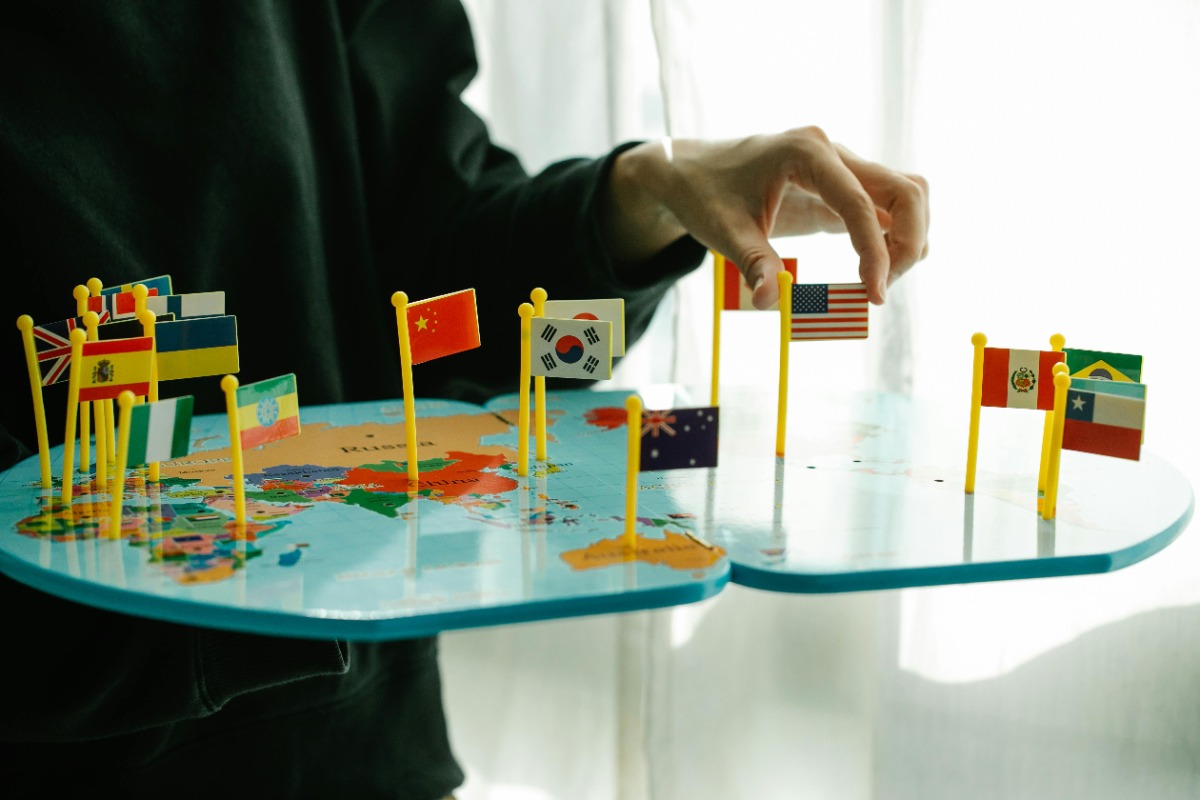
The publishing of this report marks the 25th anniversary of International Mother Language Day
A newly released UNESCO report, Languages Matter: Global Guidance on Multilingual Education, launched on International Mother Language Day (21 February 2025), underscores the critical need to integrate multilingualism into education systems to ensure that children receive instruction in a language they fully understand.
With increasing global migration, linguistic diversity is now a common feature of classrooms worldwide, where students from different language backgrounds must navigate unfamiliar educational environments. It provides some examples of how multilingual education policies are currently being developed across the world. These examples include regions such as Catalonia, where there is a language policy aimed at ensuring that all students, regardless of origin, learn both Catalan and Spanish, through immersion in the minority language (Catalan) while incorporating the main languages of migrants in some schools
The report offers practical recommendations for Ministries of Education and educational stakeholders on how to implement multilingual education policies that foster inclusive, equitable, and effective learning environments for all students. These include the following:
- Mother Tongue Instruction: Emphasizing the importance of beginning education in learners' native languages to improve comprehension and foundational skills.
- Extended Use of Home Languages: Advocating for the use of home languages as mediums of instruction for up to six or eight years, alongside the gradual introduction of additional languages, to accelerate learning and prevent knowledge gaps.
- Teacher Training and Support: Highlighting the necessity of training educators to effectively manage multilingual classrooms and embrace linguistic diversity.
- Development of Learning Materials: Stressing the creation of educational resources in multiple languages to support diverse linguistic backgrounds.
- Community and Policy Engagement: Encouraging collaboration among governments, communities, and organizations to promote multilingual literacy through inclusive curricula and cross-cultural exchanges.
These elements collectively aim to foster equitable and quality education by recognizing and integrating linguistic diversity into teaching and learning processes.
The reports also highlights that currently, 40% of the global population lacks access to education in their native or most fluent language, with this figure rising to 90% in some low- and middle-income countries. As a result, more than 250 million learners face barriers to effective learning due to language mismatches in education.
The findings and recommendations of this report were presented at a global event titled Languages Matter: Silver Jubilee Celebration of International Mother Language Day, at UNESCO Headquarters in Paris on 20–21 February 2025.