
17/06/2025 | 16:00h [Seminari]: Filosofía de los huecos: habitar la plenitud por medio del vacío
17/06/2025 | 16:00h [Seminari]: Filosofía de los huecos: habitar la plenitud por medio del vacío
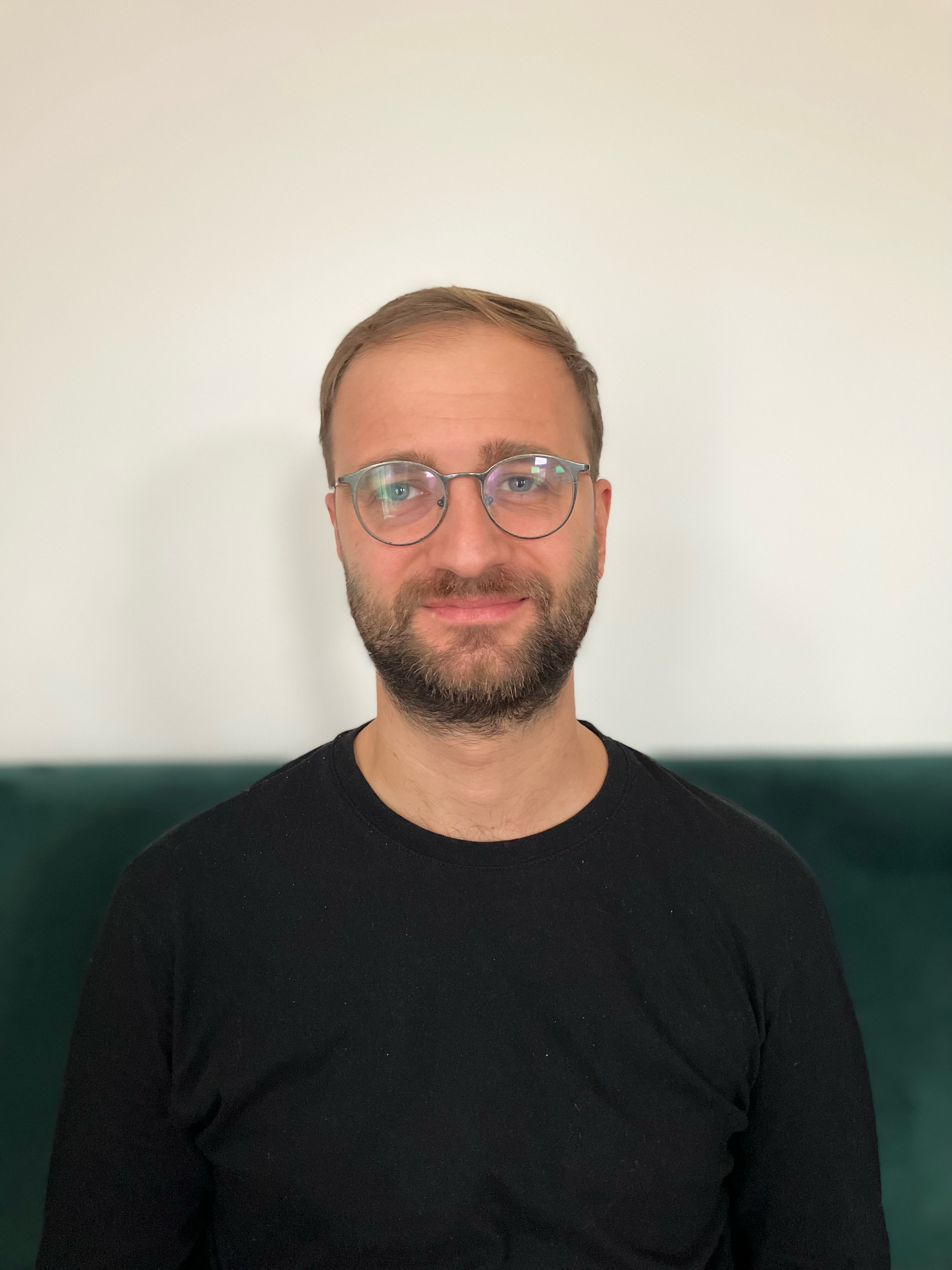
Filosofía de los huecos: habitar la plenitud por medio del vacío
Motivada por los costes humanos y ecológicos de una producción incesante de plenitud, esta
presentación describe varias formas de habitar la plenitud por medio del vacío. Así, propone
realizar una crítica de la orientación natural hacia lo pleno, así como presentar diferentes
maneras de comportarse frente a dicha tendencia. En cuanto a la metodología, plantea una
descripción fenomenológica del movimiento de existencia dentro de su lugar: la plenitud del
mundo. En esta investigación, la mirada fenomenológica se contextualiza desde una
perspectiva sociológica.
La descripción avanza en cuatro pasos. En el primero, se investigan las estructuras básicas del
lugar cotidiano de la existencia humana y del movimiento existencial dentro de este lugar.
Aquí, la atención se centra en la función que cumplen varios tipos del vacío para crear la
plenitud que habitamos. Los siguientes tres pasos toman fenómenos cotidianos como punto de
reflexión de las interdependencias entre el individuo y la plenitud del mundo: en la duda, la
espera y el aburrimiento, algo no funciona. Se abre una brecha entre nuestras intenciones y su
cumplimiento. En el movimiento existencial se abre un espacio de reflexión sobre su lugar,
las condiciones y sentido de su realización. Desde la desorientación del dudar y el bloqueo
existencial del esperar, la investigación indaga sobre el vacío en el afecto nihilista del
aburrimiento existencial. Además de poner de relieve diferentes aspectos de la relación del
individuo y la plenitud del mundo, los fenómenos también reflejan diferentes maneras de
comportarse ante la fragilidad y la violencia de la vida en la plenitud. Surge así la pregunta:
¿no nos muestra el vacío el camino hacia la buena vida?
Philosophy of Gaps: Inhabiting Fullness through Emptiness
Motivated by the human and ecological costs of a ceaseless production of fullness, this
presentation describes different modes of inhabiting fullness through emptiness. It thus
attempts to formulate a critique of our natural orientation towards fullness as well as to
present different ways of behaving to/dealing with said tendency. Methodologically, it
attempts a phenomenological description of existential movement inside its place: the fullness
of the world. In this investigation, the phenomenological glance is contextualized with
sociological perspectives.
The description moves forward in three steps: In the first step, it investigates basic structures
of the everyday place of human existence as well as the existential movement inside this
place. Here, the focus is put on the function different types of emptiness fulfill for the creation
of the fullness we inhabit. The following three steps take everyday phenomena as a point of
reflection of the interdependencies between the individual and the fullness of the world: in
hesitation, waiting and boredom, something does not work. A gap opens up between our
intentions and their fulfillment. Inside the movement of existence, a space of reflection about
its place, the conditions and sense of its own realization, breaks open. Via the disorientation
of hesitation and the existential blockade of waiting, the investigation pursues emptiness
towards the nihilistic affection of existential boredom.
On top of highlighting different aspects of the relation of the individual and the fullness of the
world, the phenomena also reflect different ways of behaving towards the fragility and
violence of life inside fullness: They make us think: Doesn´t emptiness lead the way towards
the good life?