
Intergenerational Pedagogies of Remembrance: Arts, Curatorship and Youth Participation
Intergenerational Pedagogies of Remembrance: Arts, Curatorship and Youth Participation
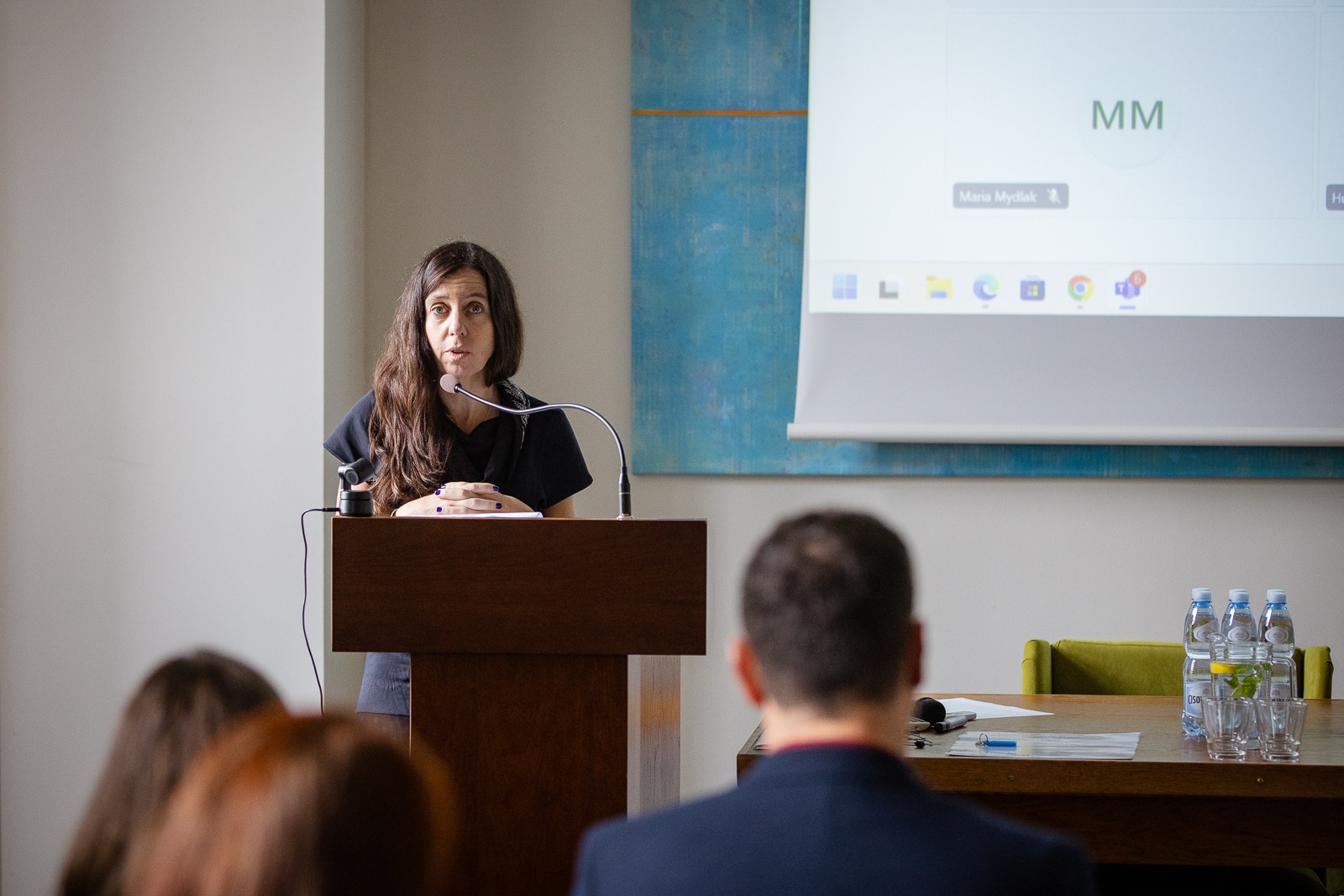
The two-day Kickoff Seminar of the project COREM at the University of Wrocław brought together researchers, curators, and educators for an urgent and intergenerational dialogue on genocide, memory, youth participation, and curatorial practice. At the heart of the event, co-financed by the Erasmus Mundus Master in Children’s Literature, Media & Culture (CMLC), was a shared commitment to rethinking how we teach and remember difficult knowledge—through art, archives, and youth-led engagement.
Participants explored a range of critical topics, including:
-
Co-creation and curation of difficult knowledge with children and youth
-
Artistic research and remembrance
-
Pedagogies of memory and remembrance
-
Genocide, ecocide, and transgenerational trauma
-
Children as witnesses to war
-
Youth participation in human rights and memory education
Throughout the event, partner institutions shared their experiences working at the intersection of curatorship and youth participation, offering brief but powerful presentations that spotlighted creative and critical approaches to remembrance. Discussions also looked toward the future: planning curatorial workshops across Europe, refining archival selection processes, establishing ethical protocols, and developing youth recruitment strategies—with input from key institutions including POLIN Museum of the History of Polish Jews, History Museum of Bosnia and Herzegovina, Armenian Genocide Museum-Institute, Museum of Contemporary Art of Barcelona.
This gathering marks the beginning of a two-year journey. Through the COREM project, over 100 young people aged 12 to 14 from Armenia, Poland, Bosnia, and Catalonia will curate exhibitions and film series focused on 20th-century genocides. Their work will be grounded in historical archives and personal stories—spanning the Armenian Genocide, the Holocaust, the Bosnian War, and other local histories of slavery, ethnic cleansing, exile, and repression.
As we witness the ongoing genocide being perpetrated by the state of Israel against the Palestinian people in Gaza, the urgency of remembrance is not only about the past—it is a call to act in the present. Genocide education and memory practices must be reimagined—urgently and radically.
