
Systematization of Focus Group 2026: Toward a Relational Framework for Transformative Effectiveness
Systematization of Focus Group 2026: Toward a Relational Framework for Transformative Effectiveness
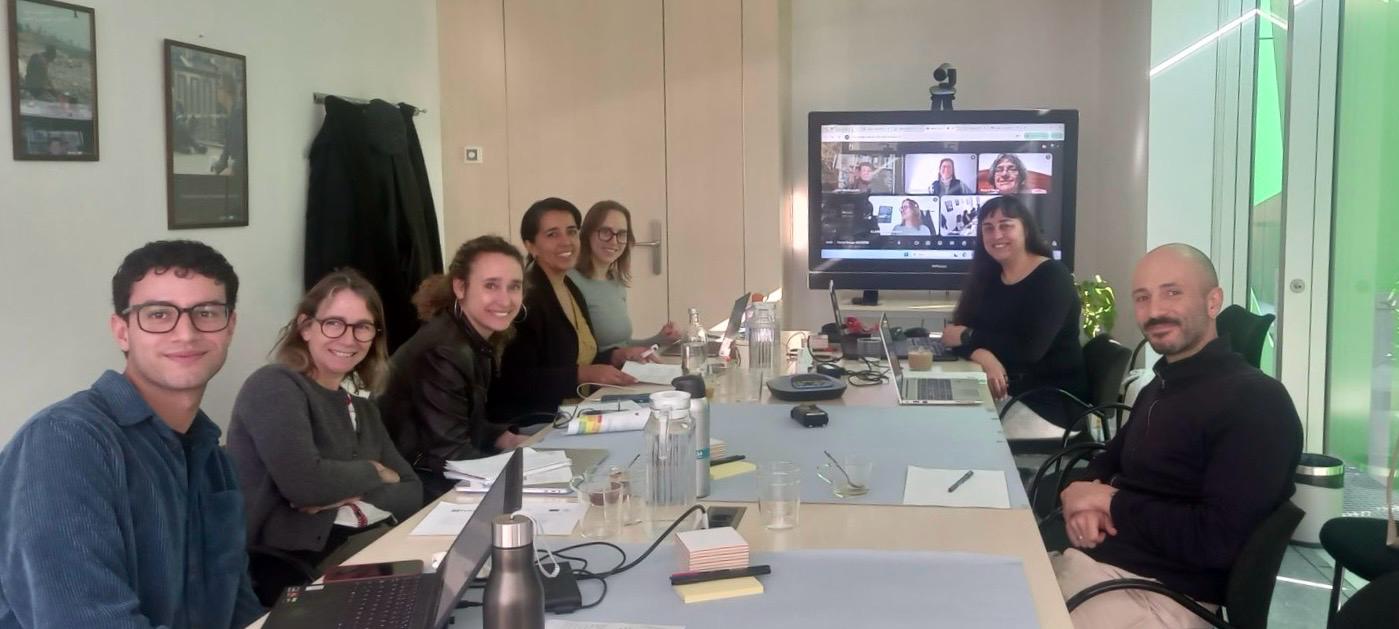
On January 23rd, 2026, we had the privilege to listen and exchange knowledge and experiences with the participants of the first DIVERSE focus group. Grounded in the lived experiences of scholars, activists, and practitioners engaged with Grassroots Transformative Initiatives (GTIs), this focus group has provided us with key insights. It has also allowed us to see some of the tensions for developing an evaluation framework that opens collective reflections within the relational, processual, and political dimensions embedded in transformation. We discussed not measuring outcomes in isolation, but of understanding how deep and meaningful change unfolds through connections—between people, places, knowledge, and struggles.
1. Transformation is Rooted in Process, Not Only Outcome
Participants emphasized that transformative change emerges through how initiatives unfold over time—the journeys of organizing, reflecting, and relating.
-
Process as empowerment: The act of coming together, building consensus, and navigating conflict can be more transformative than the final policy change or campaign win.
- Beyond reaction: Not all action is transformative. Intentional, sustained, and reflective practice distinguishes transformative initiatives from reactive responses.
- Valuing the invisible: Care work, community-building, and relational maintenance are central to sustainability, even if they leave no visible “outputs.”
2. Relationality is the Heart of Transformation
The quality and depth of relationships—within groups, across movements, and with place—define transformative potential.
-
Networks as ecosystems: Initiatives like the EJ Atlas show how digital and analog networks foster mutual support, learning, and **cultural transformation**, amplifying impact beyond core members.
- Inclusion as rooted practice: Safe spaces, especially for women and marginalized groups, enable leadership to emerge from within, not as an add-on.
- Beyond “critical mass”: Transformation may depend less on numbers and more on the depth of connection and the ability to reactivate historical struggles and local memory.
3. Cultural, Environmental, and Epistemic Justice are Foundational
Transformative effectiveness cannot be assessed without attention to whose knowledge counts and how worlds are imagined.
- Decolonizing evaluation: Dependence on externally funded technologies can reproduce colonial dynamics. True empowerment centers local and Indigenous knowledge systems.
- Revaluing place-based knowledge: Initiatives often emerge from spiritual, cultural, or territorial attachments. Effectiveness is tied to reaffirming identity, not only “breaking with” systems.
- Directionality matters: As Joan Martínez Alier noted, we must ask: “Transformation toward what?” Framing, thus, must consider entropy, justice, and the more-than-human world.
4. Power, Context, and Asymmetry Shape Everything
Effectiveness is deeply contextual and political.
- Urgency and adaptation: In crises, groups “do what they can with what they’ve got”, as Mariana Walter put it. Rigid planning frameworks may miss the transformative ingenuity of adaptive action.
- Roberto Cantoni also warned about Intersectionality’s double edge: While bridging issues can strengthen movements, it can also dilute focus or fragment alliances.
- Marta Conde invited us to appreciate that scale is relational: Local transformations may not “scale up,” but can ripple through networks in unexpected ways. Regional alliances often hold more resonance than global ones.
Reflections for Framework Development
Tensions to Navigate
- Process vs. outcome: How do we value processes without dismissing tangible victories?
- Relationality vs. comparability: How do we honour context while enabling cross-case learning?
- Inclusion vs. coherence: How do we embrace intersectionality without losing strategic focus?
Indicators Emerge from Practice, Not Prescription
Participants called for process-sensitive indicators that capture:
- Shifts in agency, voice, and leadership within groups.
- Quality and durability of relationships—internal and external.
- Cultural reaffirmation and knowledge revaluation.
- Adaptive capacity in the face of urgency or repression.
- How issues are framed and connected across scales and struggles.
Toward a Reflective & Evaluative Approach
The framework should serve as a tool for collective reflection, not an audit.
- Wording matters: Language must be culturally resonant and politically careful (e.g., “contributing to change” vs. “breaking with”).
- Self-assessment over external judgment: Movements should define their own dimensions of effectiveness.
- Flexible and iterative: Allow frameworks to evolve with the initiatives they seek to understand.
As we move forward in the DIVERSE project, we carry the group’s invitation to stay humble, context-attentive, and rooted in the lived realities of those fighting for just and diverse worlds.