
UNESCO Chair on Language Policies for Multilingualism

The UNESCO Chair on Language Policies for Multilingualism is a research network created in 2018 comprising 25 institutions, including universities and research centres around the world. Its primary goal is to conduct interdisciplinary research on multilingualism from different angles, namely Education, Linguistics, Sociology and Sociolinguistics, Political Science, Economics or Language Rights.

UNESCO Chair on Language Policies for Multilingualism
Edifici Roc Boronat (campus del Poblenou)
Roc Boronat, 138
08018 Barcelona
+34 93 5421131
Minority Languages will have a voice at the European Parliament
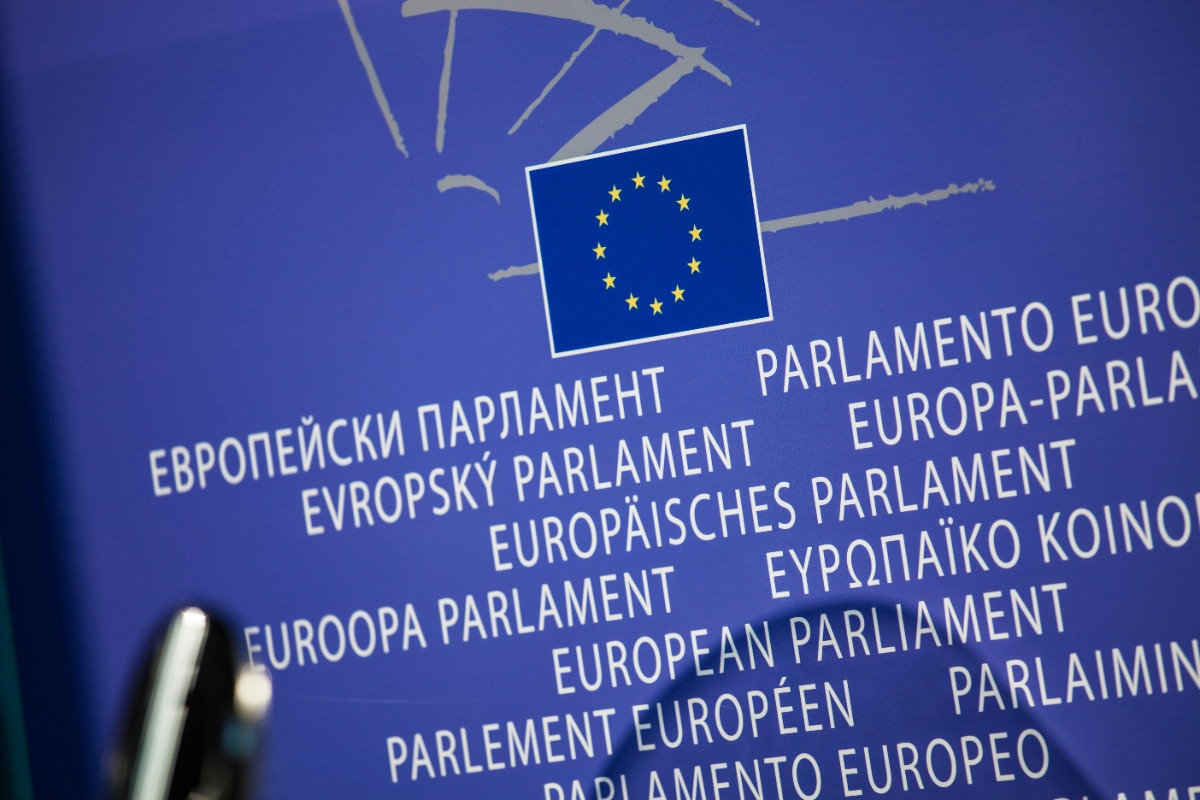
The EP Intergroup for Minority Languages is the only EU forum dedicated to Europe’s most vulnerable languages
It is official. 46 Members of the European Parliament (MEPs) have joined forces to constitute the Intergroup on Traditional Minorities, National Communities and Languages, a platform created within the European Parliament aimed at promoting Europe’s regional and minority languages. The Intergroup was officially constituted on January 23rd and held its first working meeting on February 13th. It is the only EU forum dedicated to minority issues and its MEPs come from across the political spectrum of the European Parliament.
During the 2024-2029 legislative term – the 10th – the Intergroup will be chaired by MEP Loránt Vincze, representing the Hungarian minority in Romania and four Vice-chairs: Vicent Marzà, representing the Catalan-speaking language in Valencia (also known as Valencian); Vicsek Annamária, representing the Hungarian minority in Serbia; Lukasz Kohut, representing the Silesian minority in Poland, and Anna-Maja Henriksson, representing the Swedish-speaking minority of Finland.
The Intergroup will work to ensure that minority languages are adequately represented in Europe and that the EU promotes actions in favour of Europe’s lesser-used languages. The Group will have to work on a wide range of issues, given the different realities of Europe’s minority language communities. Among the most pressing issues are:
- Monitoring compliance of the Conference on the Future of Europe, the EU initiative aimed at giving the voice to citizens, who claimed more EU action to support Europe’s regional or minority languages.
- The Minority Safepack Initiative, unique action of solidarity in which the minorities collected more than 1.2 million signatures for diversity in Europe. The Court of Justice of the European Union is expected to rule on the case within two years.
For more information on the previous work of the Intergroup, click here.
Minority Languages will have a voice at the European Parliament
The EP Intergroup for Minority Languages is the only EU forum dedicated to Europe’s most vulnerable languages
It is official. 46 Members of the European Parliament (MEPs) have joined forces to constitute the Intergroup on Traditional Minorities, National Communities and Languages, a platform created within the European Parliament aimed at promoting Europe’s regional and minority languages. The Intergroup was officially constituted on January 23rd and held its first working meeting on February 13th. It is the only EU forum dedicated to minority issues and its MEPs come from across the political spectrum of the European Parliament.
During the 2024-2029 legislative term – the 10th – the Intergroup will be chaired by MEP Loránt Vincze, representing the Hungarian minority in Romania and four Vice-chairs: Vicent Marzà, representing the Catalan-speaking language in Valencia (also known as Valencian); Vicsek Annamária, representing the Hungarian minority in Serbia; Lukasz Kohut, representing the Silesian minority in Poland, and Anna-Maja Henriksson, representing the Swedish-speaking minority of Finland.
The Intergroup will work to ensure that minority languages are adequately represented in Europe and that the EU promotes actions in favour of Europe’s lesser-used languages. The Group will have to work on a wide range of issues, given the different realities of Europe’s minority language communities. Among the most pressing issues are:
- Monitoring compliance of the Conference on the Future of Europe, the EU initiative aimed at giving the voice to citizens, who claimed more EU action to support Europe’s regional or minority languages.
- The Minority Safepack Initiative, unique action of solidarity in which the minorities collected more than 1.2 million signatures for diversity in Europe. The Court of Justice of the European Union is expected to rule on the case within two years.
For more information on the previous work of the Intergroup, click here.