
JOVIS Hosts Palestinian Researchers: Bridging Academic Gaps in Youth Studies
JOVIS Hosts Palestinian Researchers: Bridging Academic Gaps in Youth Studies
The JOVIS Research Group at UPF recently organized a series of events with Palestinian researchers, strengthening international academic ties in youth studies. The sessions addressed research methods in conflict zones, the impact on child and youth development, and the determination of Palestinian youth to control their own narratives. These meetings underscore the importance of global academic collaboration and the role of youth in challenging contexts.
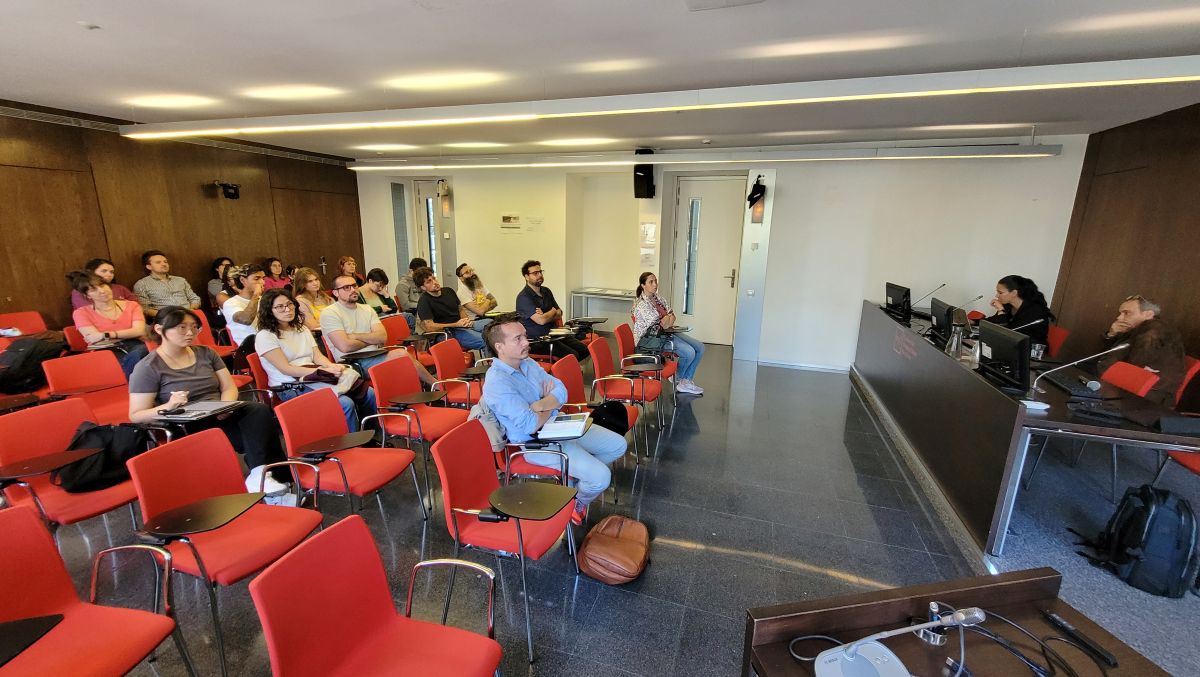
The Youth, Society and Communication Research Group (JOVIS) at Pompeu Fabra University recently hosted a series of enlightening events featuring Palestinian researchers. Two sessions stood out in particular:
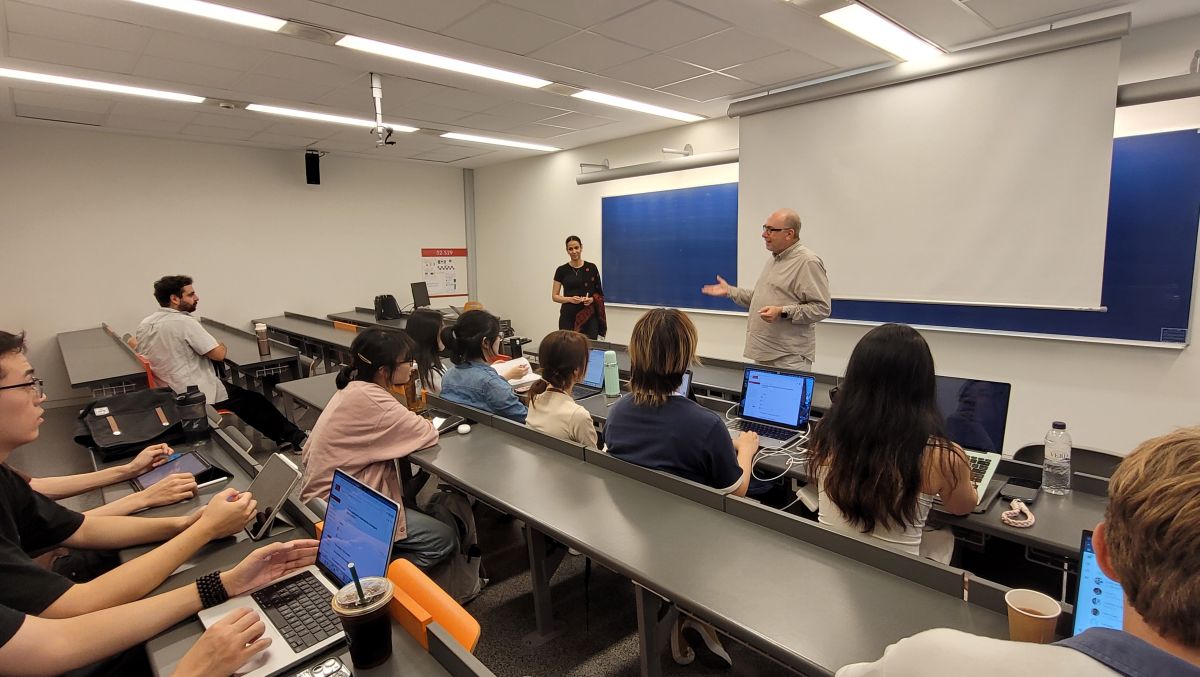
On Monday, Dr. Carles Feixa Pampols chaired an open class on "Methods in social research: experiences from Palestine" as part of the Master's program in Communication Research. Hala Khalawi from Bethlehem University shared perspectives on qualitative methods used in Palestinian research, highlighting the contextual challenges that demand a more humane and comprehensive approach to research in conflict zones.
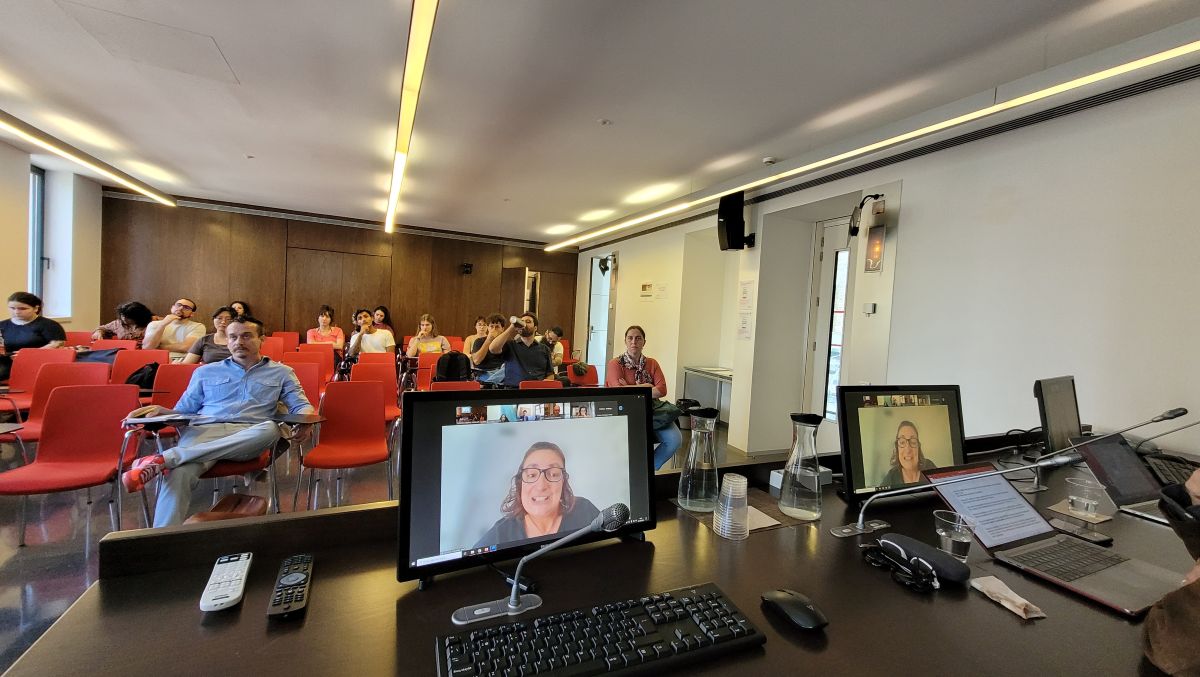
The following day, Dr. Monica Figueras Maz and Dr. José Sánchez-García facilitated a seminar on "Researching Youth in the Middle East," moderated by predoctoral researcher Carlos Alberto Aguilar Cáceres. Palestinian researchers, including Hala Khalawi (in person), Abeer Musleh, Ahmed Fasfous, and Minerva Qassis Jarayseh (online), discussed the complexities of conducting youth research in Palestine. They emphasized the impact of conflict on child development, starting from prenatal stress, and the need for adapted research methods to address these unique circumstances.
The researchers also highlighted the determination of Palestinian youth to control their own narratives and present themselves to the world as individuals, not just as victims. These young people actively seek to share messages that generate empathy around the world, affirming their dignity and humanity. This approach reflects a powerful shift in how Palestinian youth relate to the international community, emphasizing their agency and resilience in the face of ongoing challenges.
The sessions underscored the importance of academic bridges to valorize knowledge generation in Palestine, which has the highest literacy rate in the world despite ongoing conflicts. Dr. Feixa highlighted the importance of the Erasmus+ teaching and training mobility program (KA171) and the inter-institutional agreement that UPF has with this university, which facilitated Professor Khalawi's visit.
These events were part of a broader program that took place on July 7th and 8th. The program included a welcome session for UPF staff on Monday morning, followed by the open class in the afternoon. Tuesday's agenda included the seminar on youth research in the Middle East, with in-person and online presentations by faculty members from Bethlehem University, addressing topics ranging from trauma and PTSD (Post-Traumatic Stress Disorder) to youth participation during conflict and the rights of girls, boys, and young people in the current context of the Gaza Strip.