The III Congress on Communication and Citizenship, co-organized by UPF, strengthens alliances between academia and the third sector to promote community and transformative projects
The III Congress on Communication and Citizenship, co-organized by UPF, strengthens alliances between academia and the third sector to promote community and transformative projects
The III Congress on Communication and Citizenship, co-organized by UPF, strengthens alliances between academia and the third sector to promote community and transformative projects
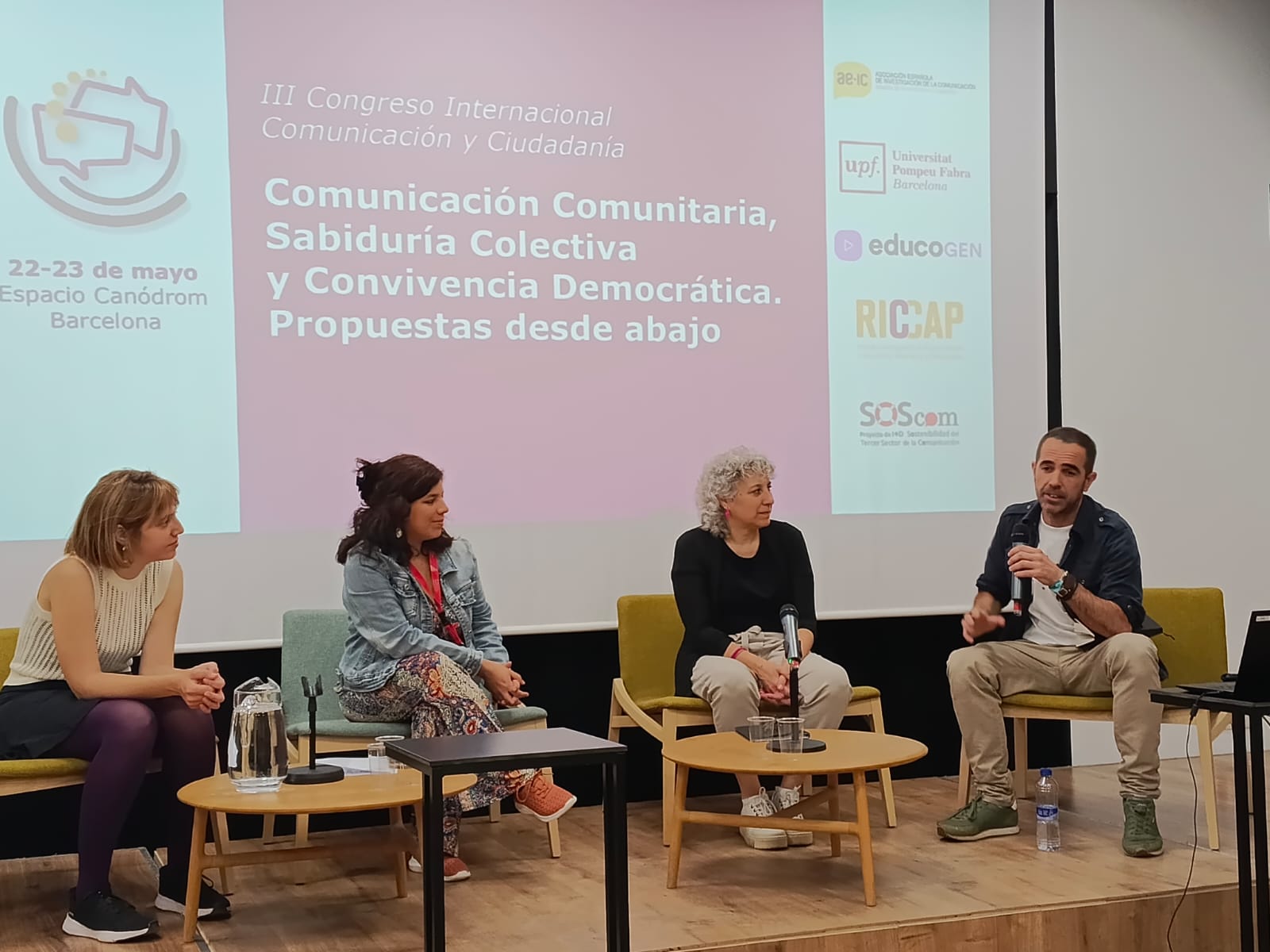
More than 150 people took part in the III Congress on Communication and Citizenship, held on May 22 and 23 at the Canòdrom, the Digital and Democratic Innovation Hub in Barcelona. With over 50 presentations and significant international representation, the event became a key space for critical debate on the role of communication in building active citizenship. The congress served to strengthen alliances between academia and the social third sector, promoting community, alternative, and transformative communication projects.
This third edition was organized by the Communication and Citizenship Section of the Spanish Association for Communication Research (AE-IC) and the Department of Communication at Pompeu Fabra University (UPF), through the EducoGEN project, which works to address gender inequalities in educational settings through participatory audiovisual methodologies. Co-organizers also included the Research Network on Community, Alternative, and Participatory Communication (RICCAP), via the SOSCom project, in collaboration with organizations such as La Veïnal, El Parlante, Teleduca, InCom-UAB, and the Canòdrom of Barcelona. During the congress, updates on the EducoGEN and SOSCom projects were presented.
EducoGEN led the opening day of the congress entitled "Feminisms, Audiovisuals, and Technologies". During this session, the main conclusions of EducoGEN were shared, and the keynote speech "Recognizing Knowledge in Feminist Research" was delivered by Iolanda Tortajada, researcher at URV and expert in communication and gender perspective. The day also included a roundtable on “Feminist Movements and Technology” and various presentations focused on gender challenges, with special emphasis on the role of technologies.
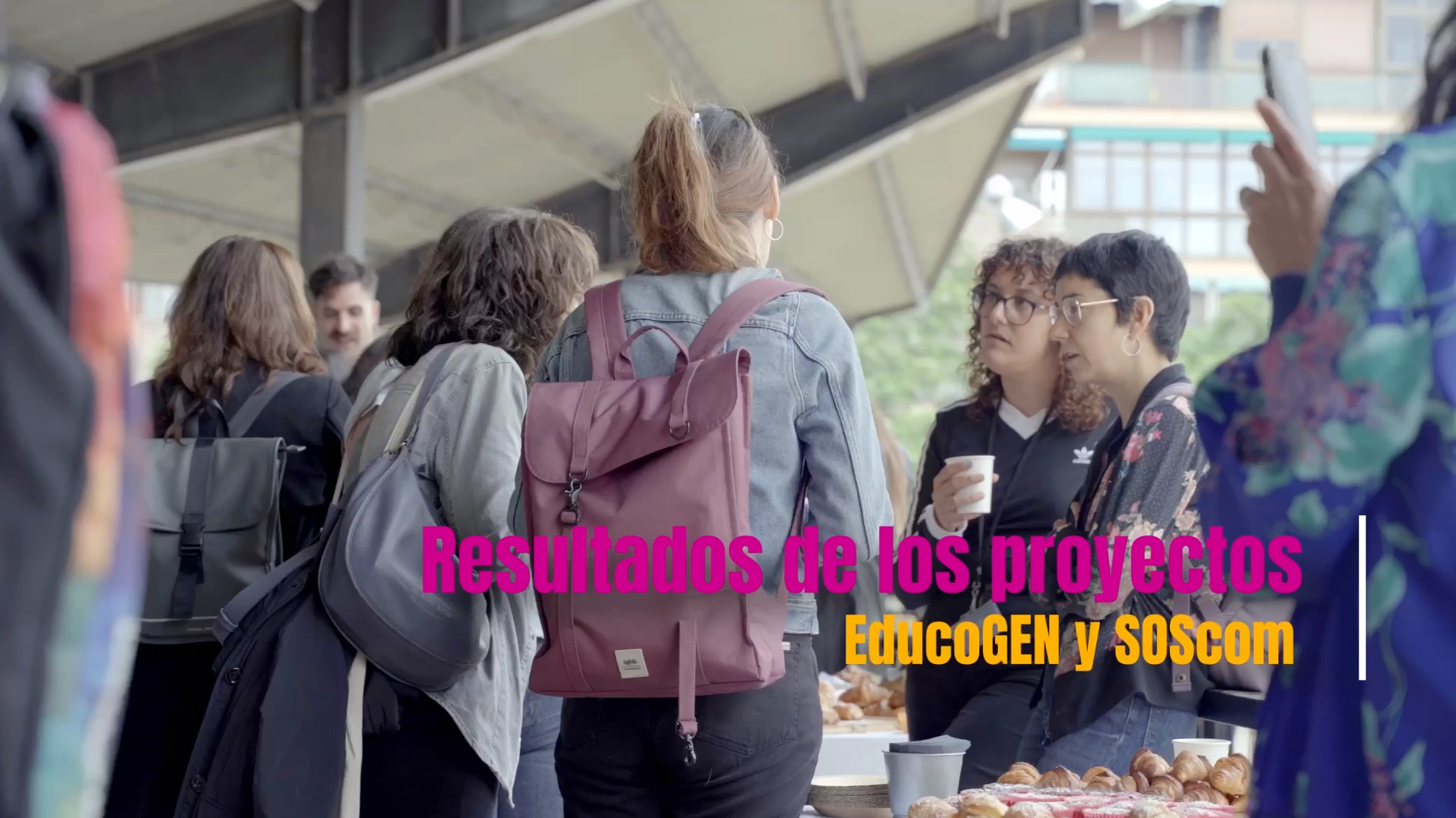
Over the two days, representatives from 26 universities and voices from different regions participated, with attendees from countries such as Colombia, Peru, Mexico, Chile, Argentina, Andorra, Portugal, and Spain. Fifteen local communication projects focused on community initiatives, alternative media, and grassroots experiences were also presented. Finally, a reflective workshop on audiovisual projects was held with the participation of 10 third sector organizations, exploring the transformative power of audiovisual media as a tool for collective empowerment, social cohesion, and political action.
You can watch a video about it at this link.