
Training the responsible use of artificial intelligence in science journalism
Training the responsible use of artificial intelligence in science journalism
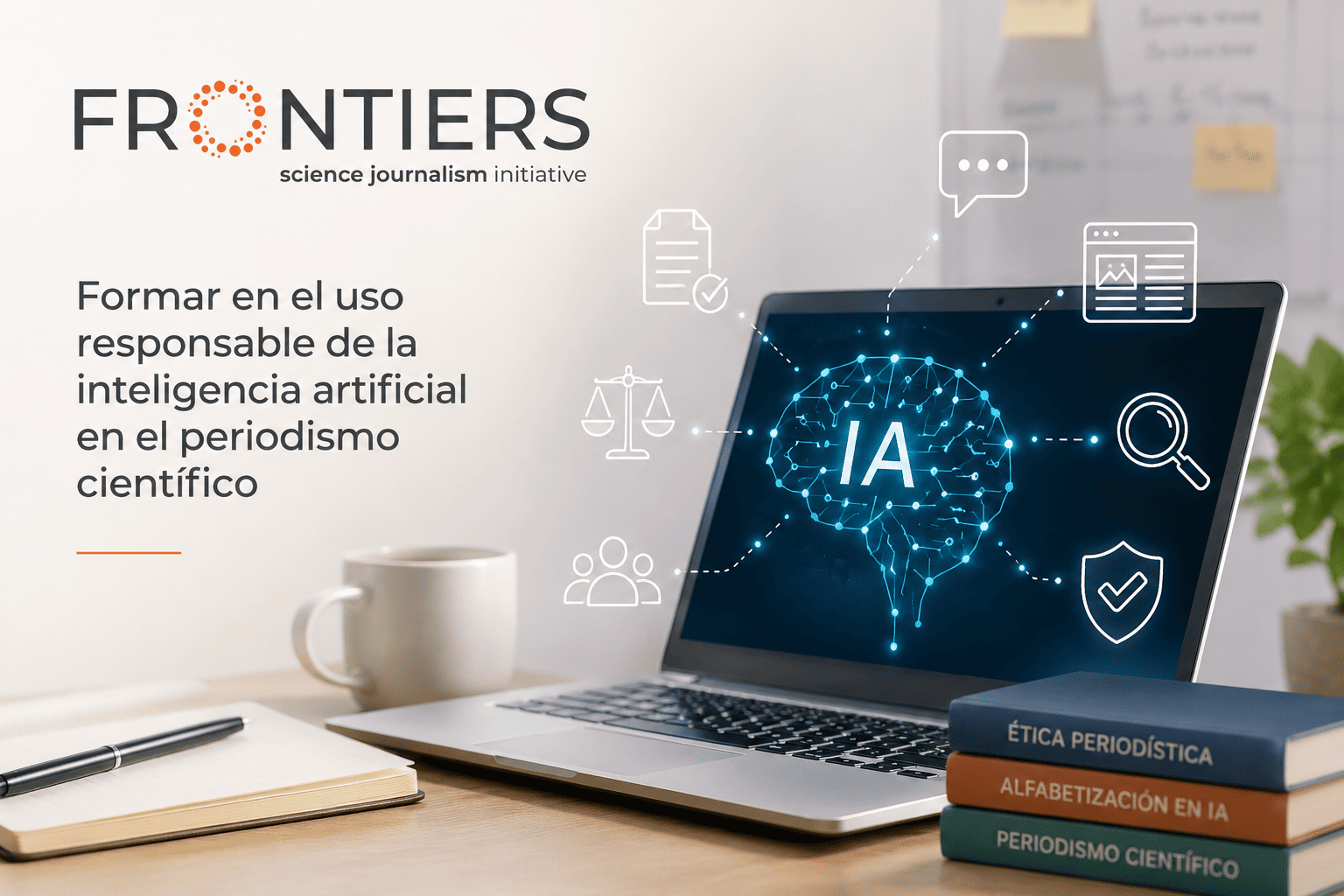
Generative artificial intelligence is increasingly becoming part of journalists' professional routines, including in science journalism. Tools for information retrieval, interview transcription, content translation and draft generation offer new opportunities to improve journalistic efficiency, but they also raise important questions regarding information quality, transparency and editorial responsibility.
In the chapter Training responsible use of artificial intelligence in science journalism: experiences from the FRONTIERS project, Carolina Llorente and Gema Revuelta, coordinator and director of the Centre for Studies on Science, Communication and Society (CCS-UPF) at Pompeu Fabra University, analyse a training experience developed within the European project FRONTIERS and aimed at science journalists from different European countries.
The study shows that participants particularly value training activities that combine hands-on exploration of AI tools with ethical reflection and professional debate. Beyond discovering new applications, journalists highlighted the importance of collectively discussing issues such as the verification of AI-generated content, algorithmic bias and the impact of these technologies on journalistic practice.
The findings suggest that AI training for science journalists should not focus exclusively on technical skills, but also on developing professional criteria for using these technologies critically and responsibly. In this regard, the FRONTIERS experience offers a model that combines practical learning, ethical reflection and peer exchange.
Reference
Llorente, Carolina; Revuelta, Gema (2026). Training responsible use of artificial intelligence in science journalism: experiences from the FRONTIERS project. In: Dinu, N. R.; Baiget, T. (eds.). Ciencia para la Sociedad. Granada: Ediciones Profesionales de la Información. ISBN: 978-84-125757-7-4. https://doi.org/10.3145/codi2026/009.