
Learning through communication: the project “Biomedical Engineering: present and future” receives the ID-UPF recognition
Learning through communication: the project “Biomedical Engineering: present and future” receives the ID-UPF recognition
Learning through communication: the project “Biomedical Engineering: present and future” receives the ID-UPF recognition
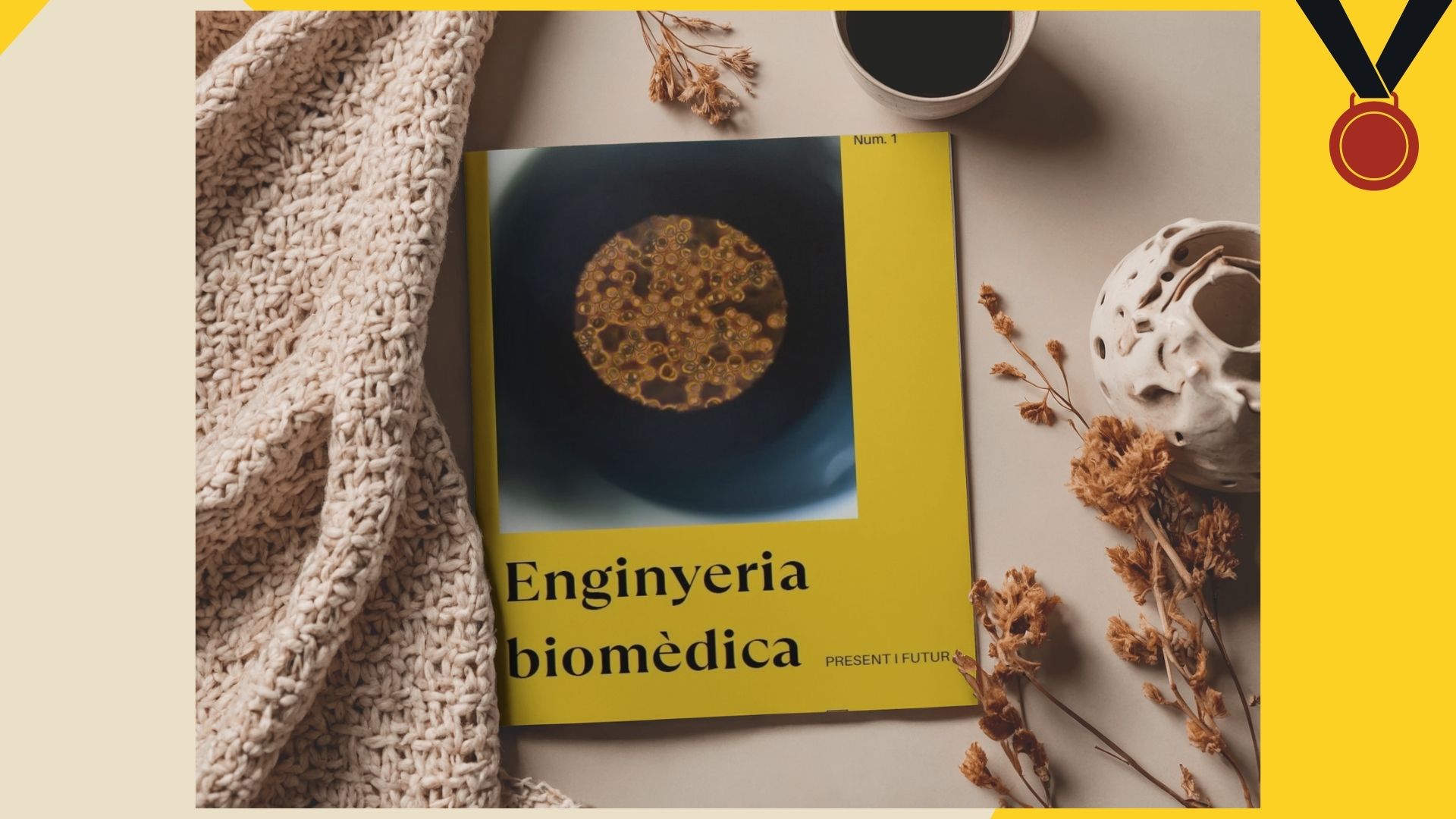
The project “From the classroom to the public. Biomedical Engineering: present and future”, coordinated by Gema Revuelta and Carolina Llorente Lope, has been recognised as one of the initiatives awarded within the Universitat Pompeu Fabra’s 2025–2026 Programme for Recognition and Support of Teaching Innovation. The initiative aims to bring biomedical engineering closer to society through public communication, integrating this dimension into the student learning process.
Within the framework of the project, students research current topics in biomedical engineering and work on translating them into accessible formats for non-specialised audiences. This work is structured around two main activities.
On the one hand, the organisation of a series of public webinars, in which students take part in defining the content, preparing the sessions and interacting with the audience. In the first edition, the four seminars reached a total of 215 participants: 60 students and 155 external attendees. Of the latter, 84 attended live, and 71 watched the full webinar afterwards on the CCS-UPF YouTube channel. In this second edition, the webinars will take place on 10, 14, 15 and 17 April 2026.
- 10/04/2026, 14:30–15:30: Biomedical engineering: rescuing the healthcare system
- 14/04/2026, 18:00–19:00: Ethical challenges of artificial intelligence in medicine
- 15/04/2026, 18:00–19:00: Biomedical innovation: from reluctance to trust
- 17/04/2026, 14:30–15:30: Medical technologies: from fiction to reality
On the other hand, the initiative includes the creation of a collective digital magazine, compiling the content produced by students in science communication formats. Published in October 2025 on the Zenodo repository, the magazine has recorded 136 visits and 107 downloads, extending the project’s reach beyond the live sessions.
Through these activities, students not only deepen their understanding of course content but also develop communication skills and become aware of the social role of biomedical engineering. The first edition of the project served to test this model, and its continuation in a second edition—together with the recognition awarded by UPF—reinforces the potential of this initiative to connect university education with the public and societal debate.